
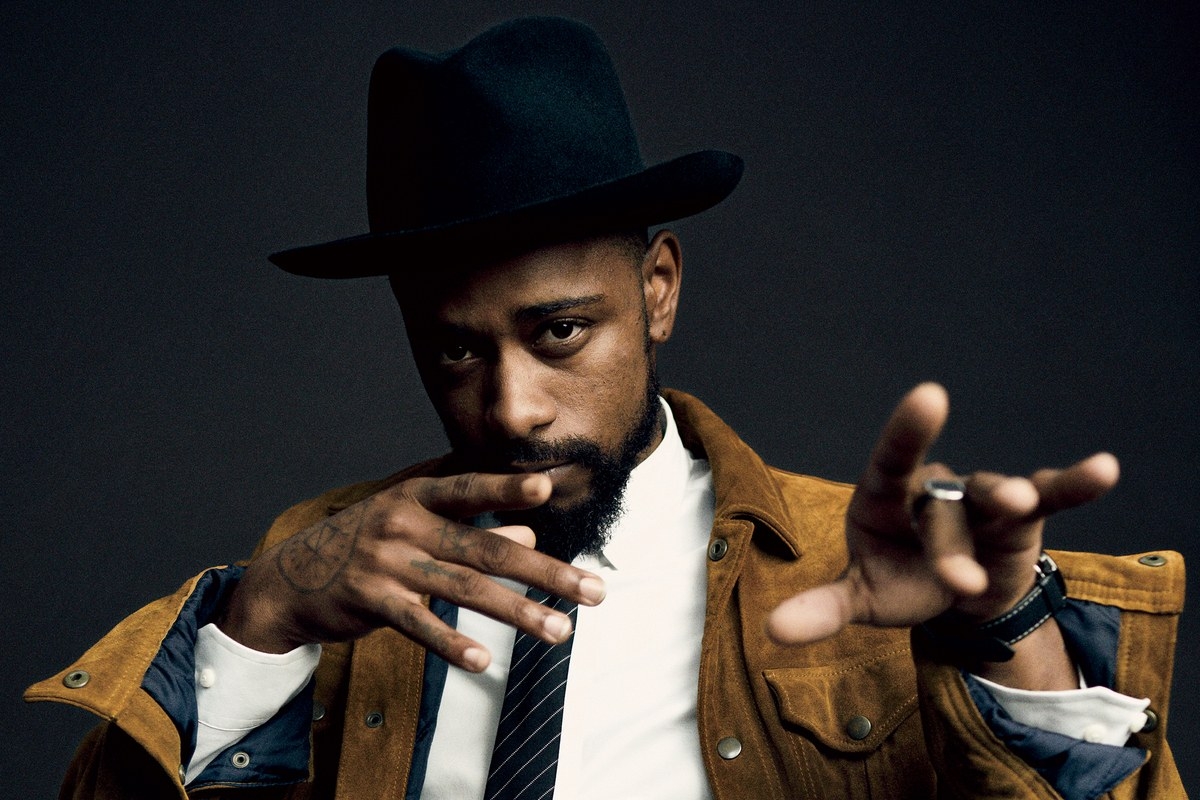
Lakeith Stanfield is intensely captivating. It’s fairly early in the morning, and he’s huddled over a plate of fruit, tucked away in a crisply lit condo in Park City, Utah. Stanfield flew in from Germany – a short hiatus from the project that he’s currently working on -- to attend Sundance Film Festival. He has to be exhausted. With starring roles in Sorry to Bother You, Come Sunday and a spoken word show in the festival, this is one of the first times the 26-year-old has been able to just sit and chill. Stanfield lets his long limbs rest on his chair as he hovers over the table, his booming voice almost a surprise as it rings out in our quiet surroundings. It’s been quite a year for the San Bernardino native, who made his feature film debut back in 2013. Get Out is Academy Award-nominated and Boots Riley's wonderous Sorry to Bother You is the most talked about film of the festival. Stanfield is also set to return to our TV screens in March in the much-awaited second season of FX's Atlanta. “I'd like to take credit and say it's all my doing but, I'm just really fortunate to be surrounded by these creators who are doing daring things at this time,” he said, reflecting on his bustling filmography. “I have the disposition that I want to be a part of things that say something and move the needle. We try to weed out things. We can do that now by the way. When I first started out, I didn't have that luxury. I was just trying to work."
In Sorry to Bother You, Stanfield stars as Cassius, a telemarketer desperate to make his mark in the world, but that’s only the beginning of this mind-bending story. It spirals into something more imaginative than anything you’ve seen on screen before. For Stanfield, roles like these are a dream come true. “I'm trying to be aware of what I'm doing," he explained. “I love my people. I love our story and where we come from and our journey in this country. I'm interested in being one of many faces in it that can speak to it if I can. It feels good to show people that we can be human. We can be anything. We can be silly. We can be crazy. I grew up feeling like I was strange and things of that nature. It feels good to reiterate the idea that that's okay.”
Continue reading at Shadow and Act.
 To this day, education is not an inherent right. The effects of segregation are still deeply steeped in the Black community, and unless there is careful nurturing within the family home or by some particularly devoted educators, many Black people in this country have found themselves severely under and uneducated. Despite the lack of resources that are devoted to many public schools particularly in impoverished communities; Black people have always desired the opportunity to learn more about not only themselves but also the world around them. After all, is that not education’s purpose?
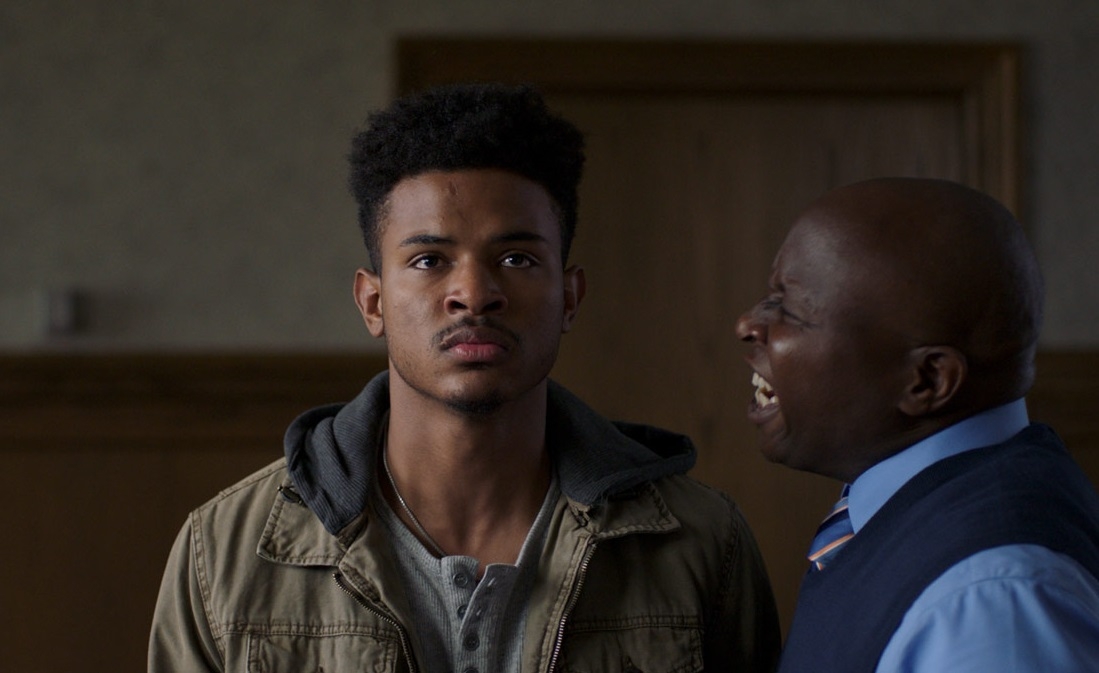 Fraternities and sororities at historically Black colleges and universes have had a significant impact not just on the students who are a part of them but on the Black community as a whole. In films like “Drumline” and “Stomp the Yard,” which are set on HBCU campuses, we often get a small glimpse into the sacred world of pledging, the focus of these film shining a light on other aspects of college life. Perhaps not since Spike Lee’s 1988 film “School Daze” has there been such a major focus on pledging Black frats and sororities and the hazing that often comes along with that.