
 If you exist outside of the Greek world, and certainly if you attended a predominantly white university as a student of color, Greek life swirls around you.
You may be familiar with probates and socialize with friends who are members of sororities and fraternities, but you stay along the outskirts of it all. In his feature film debut, director Gerard McMurray peels back the curtain on Black Greek life in a shocking and riveting film about brotherhood, sacrifice and the freedom of individual choice.
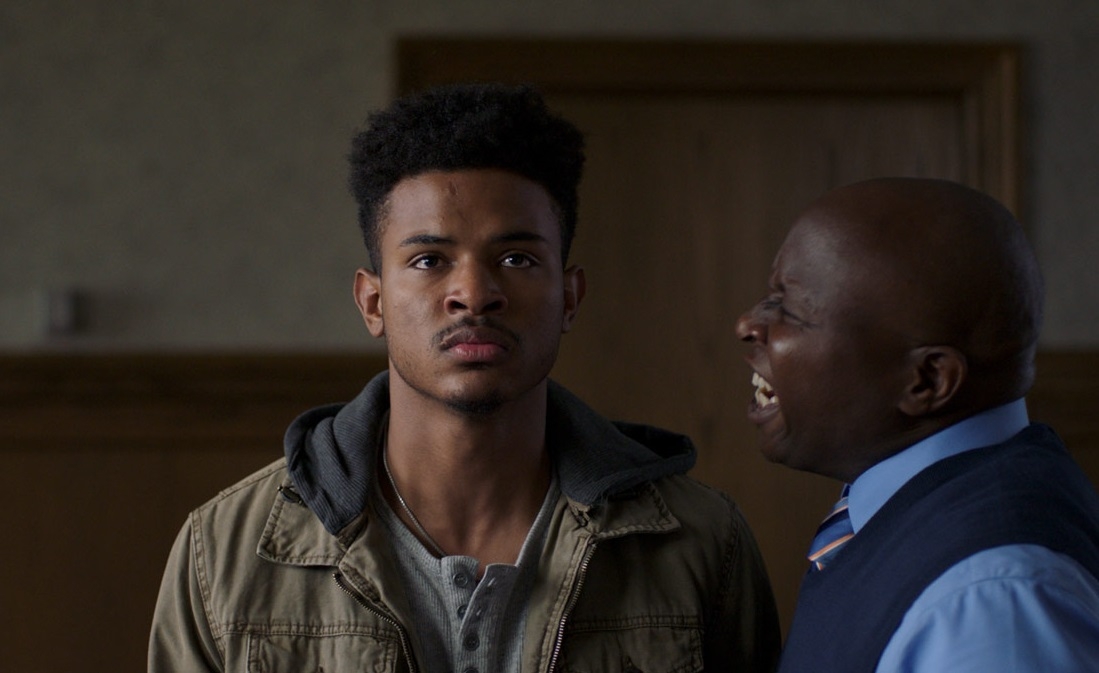
Burning Sands follows Zurich (Trevor Jackson), a college student at the fictional Fredrick Douglass University, trying to survive Hell Week as a Lambda Phi pledge. With his academic work, girlfriend and social life all on the back burner, Zurich attempts to press forward with the hopes of making it through Hell Night; capturing the glory that is awaiting him on the other side.
We’ve all heard whispers about the hazing that occurs when pledging various Greek organizations, but it’s mostly unspoken, remaining below ground and so ingrained in the tradition that it’s never shown the light of day unless some major trauma or tragedy strikes. As he moves through Hell Week with his fellow pledges, enduring beatings, emotional abuse and so forth, Zurich begins to question his commitment to it all. His Big Brothers are ferocious and unrelenting in their punishments. Moonlight’s Trevante Rhodes, Segun Akande, and Rotimi star as Big Brother Fernander, Malcolm, and Edwin respectively. Their physicality, as well as their near constant taunting keeps the pledges on edge.
And yet, if you watch Burning Sands (or simply try to analyze the film's trailer) focusing solely on the trauma that Zurich and his line brothers endure, you would be missing McMurray’s entire point. Shot over the course of eighteen days on the Virginia State University campus, Burning Sands tells a story about Black brotherhood and what it means to belong to something much bigger than yourself. The hazing is admittedly horrible, and I would be naive to think that there is no truth to these volatile acts. However, it is not every story; nor is it the thread that makes this film so powerful. Instead, Burning Sands is a coming of age story about legacy, bonds, and the choices that shape us forever.
Continue reading at ESSENCE.com.
Image: Netflix
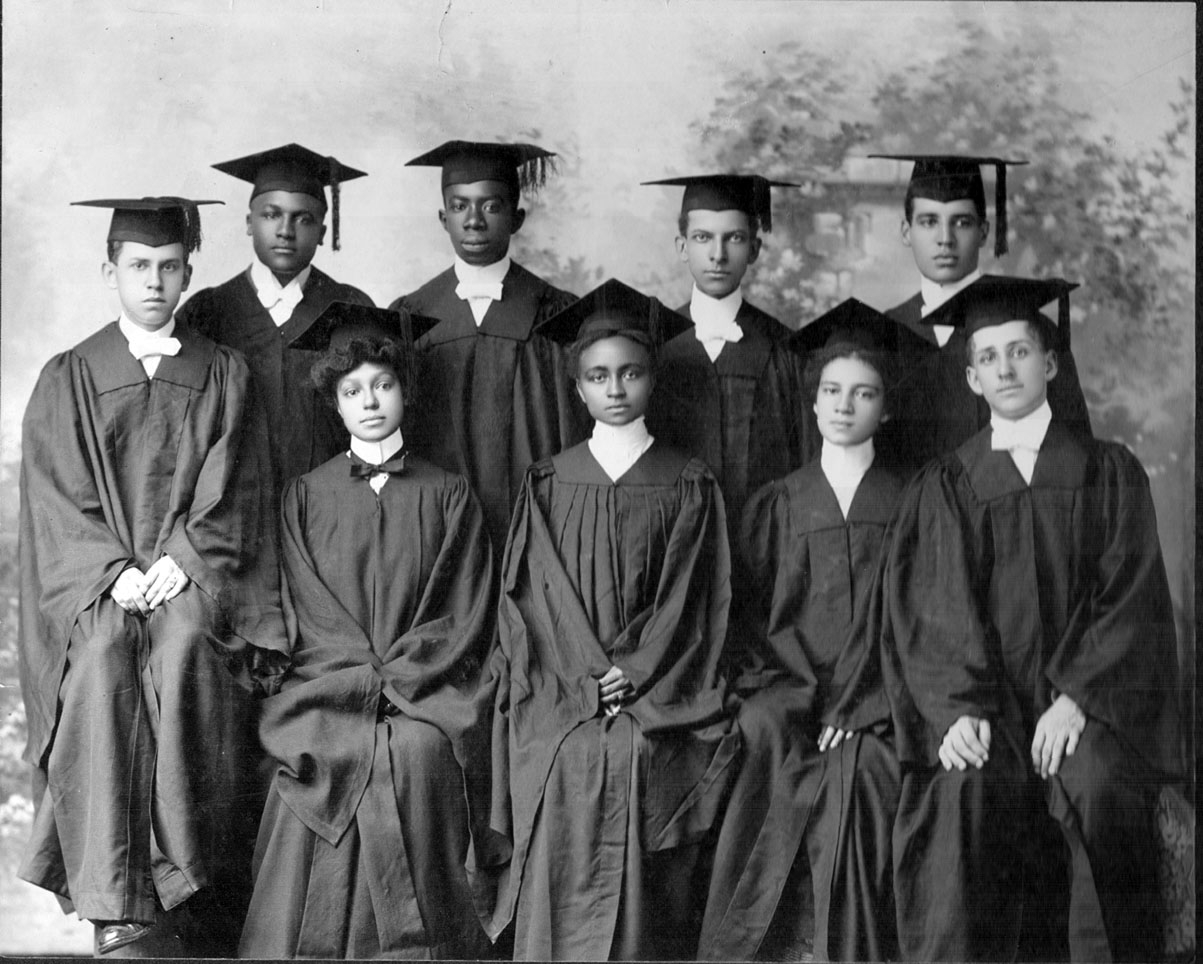 To this day, education is not an inherent right. The effects of segregation are still deeply steeped in the Black community, and unless there is careful nurturing within the family home or by some particularly devoted educators, many Black people in this country have found themselves severely under and uneducated. Despite the lack of resources that are devoted to many public schools particularly in impoverished communities; Black people have always desired the opportunity to learn more about not only themselves but also the world around them. After all, is that not education’s purpose?
 Fraternities and sororities at historically Black colleges and universes have had a significant impact not just on the students who are a part of them but on the Black community as a whole. In films like “Drumline” and “Stomp the Yard,” which are set on HBCU campuses, we often get a small glimpse into the sacred world of pledging, the focus of these film shining a light on other aspects of college life. Perhaps not since Spike Lee’s 1988 film “School Daze” has there been such a major focus on pledging Black frats and sororities and the hazing that often comes along with that.