• Work
  • Contact
  • Instagram
A Word With Aramide
  • Work
  • Contact
  • Instagram

Review: Camilla Hall's 'Copwatch' Is an Incomplete Look at Policing the Police

Copwatch.jpg

These days any feelings of hope and promise that seemed to just recently ebb and flow within the Black community particularly in impoverished neighborhoods are long lost. Instead, pain appears to be the constant, pulsing through us all as we hear about new deaths and shootings and as we watch our Constitutional Rights continually get trampled over. We do not live in a time of optimism, but we do live in a time of action. In Camilla Hall’s “Copwatch,” we meet the men who have been policing the police, the ones who continually stand up for their fellow citizens while subjecting themselves to abuses by the boys in blue. Looking at police brutality from a different lens, “Copwatch” moves from Ferguson, Missouri, to Baltimore, Maryland, and Staten Island New York, following Kevin Moore, Ramsey Orta and Dave Whitt, the men who have made cop watching their profession. Brought together by Oakland native Jacob Crawford who has been documenting police incidents for decades, the men form the organization WeCopwatch. By following this group of men, filmmaker Hall explores the aftermaths of the deaths of Eric Garner, Freddie Gray, and Mike Brown in their communities while examining police brutality today.

In 2015, Baltimore native Kevin Moore captured Freddie Gray being beaten, arrested and dragged into police custody. Gray would never be seen alive again. When State’s Attorney Marilyn Mosby promised to prosecute and convict the officers who were responsible for Gray's death, Moore was sure that he would be called to testify. He never was. No convictions were obtained, and the charges against the remaining officers were dropped. In the end, Moore was left feeling bamboozled and devastated just like many of us were throughout the country. His fellow cop watcher Dave Whitt lived in the Ferguson neighborhood where Mike Brown was massacred in the street. Though Whitt did not capture Brown’s death, he’s an active community member and pupil of Jacob Crawford who was taught his rights and how to properly cop watch. He has also continually rebuilt Brown’s memorial despite it being burnt to a crisp repeatedly. Hall follows these men as they move about their neighborhoods, documenting police encounters of their fellow citizen, but never really digging below the surface.

Still, perhaps the most engrossing subject of the entire film is Ramsey Orta, the young New Yorker who filmed the death of Eric Garner. It’s clear that Orta is no angel and though I wouldn’t personally put it past the NYPD to throw anything they had at Orta, Hall is not exactly clear about presenting him as he truly is. With quite a few drug related cases against him, partially a case for selling heroin, we never really get a true grasp on who Orta is. He’s vibrant and relatable on screen, and we sympathize with his plight, but Hall is only able to capture one particular facet of his persona.

Continue reading at Shadow and Act. 

tags: Camilla Hall, Copwatch, shadow and act
categories: Film/TV
Monday 05.15.17
Posted by Aramide Tinubu
 

'Underground' Season Finale Recap: Either You’re A Citizen Or A “Soldier”

under_210_promo_still_06_R.jpg

All roads have been leading to the events that occur in the second season finale of Underground. As “Soldier” opens, one of John Brown’s men approaches Harriet Tubman’s hidden cabin. He speaks briefly with Harriet about plans for the attack on Harper’s Ferry which includes arming slaves on surrounding plantations. Though Harriet agrees with the risky but bold endeavor, she is shocked by Brown's invitation to participate.

In Ohio, Daniel sits with Elizabeth, Noah, Georgia and Rosalee asking for aid in rescuing his family in Kentucky. Once they realize that Daniel was blinded with lye as punishment for teaching his fellow enslaved people how to read, everyone is on board with the escape plan. Elizabeth and Noah, in particular, are looking for a fight, while Rosalee and Georgia reluctantly agree.

Getting together a group of abolitionists and some of John Brown’s men, Elizabeth and Noah come up with a plan to attack the plantations surrounding Daniel’s as a distraction in order to covertly steal away his family and friends. It’s going to be a tough rescue because of Daniel’s infant child. The team decides in order for the plan to work; they have to be back across the river in five hours tops.

Meanwhile, Cato seems to have slithered away from Patty Cannon and her gang for a moment. We find him in a room with some random redheaded white woman; it’s clear Cato has been plotting and planning. As he helps the woman get dressed, he coaches her into calling herself, Patty Cannon. What are you up to Cato?

Down South, August and Ernestine have made it back to Georgia. August arrives at his home, and we learn that both his wife and Jay, his trusted slave have died. We can only assume that his son is somewhere still hospitalized. Seeing his despair, Ernestine offers him some of her devil’s potion. He indulges, and after he passes out, Ernestine escapes through the vast cotton fields toward the Macon Plantation. When August finally catches up to her standing in front of the big house, the two look on stunned. There is nothing there, only bits of burnt wood where the commanding structure once stood. Later, Ernestine awakens to see August holding a gun to his head. She tells him it's time that he forgives himself for the horrible things he's done.

Up in Ohio, Rosalee finds James playing solitaire in the front of Georgia’s safe house. He and his big sister have a heart to heart. While James is a realist and doesn’t expect to see his mama again, Rosalee tries to tell him otherwise. They have a quiet moment of comfort while James lays his head on Rosalee's swollen belly, feeling the kicks of her unborn child.

Later in their bedroom, Rosalee and Noah still aren’t talking. Dressed in her nightgown, the heavily pregnant Rosalee helps Noah pack for his mission to get Daniel’s kin. She asks him to please return safely. She tries to explain to him that everything she did once finding out she was pregnant was done out of fear. Noah seems to understand this, but he’s still pissed. He tells Rosalee that he wants to forgive her; he just doesn’t know if he can.

Over the river in Kentucky, Noah, Elizabeth, and the crew are moving quickly between the three plantations. Though Noah gets Daniel's sleeping baby out, one of the plantation masters unties himself and holds a house girl hostage. While the men deliberate about what to do, Elizabeth takes matters into her own hands and blows the master’s head off. Elizabeth is tired y’all, and she’s done playing. Though the group eventually reaches Daniel and his family, they must arm themselves and fight their way back across the river. Many including Noah and Elizabeth do make it back to Ohio, but their victory is not without major bloodshed.

In the midst of all of this, there is trouble at Georgia’s. Patty Cannon has come to collect her Black Rose, and she’s started shooting up the place to work her way in. Though Georgia and the fellas hold her off for some time, she eventually gets in the house. While all of this is occurring, Rosalee who is now in labor grabs James and begins running through the house’s hidden tunnels. However, Cato has mastered the tunnels and finds her. Thinking quickly after seeing Cato, Rosalee and James barricade themselves into the kitchen, and an awestruck James looks on as his sister gives birth.

While Rosalee is laboring, Cato approaches Patty Cannon with evidence of Harriet’s hideout. Leaving her men behind, Patty, Cato and the biographer Mr. Donahue set out to capture Harriet. It’s then that Cato’s plot is revealed. After blowing Patty’s brains out (good riddance), Cato explains to a bewildered Donahue that Patty’s mistake was that she believed in her own legend. He also tells him that he will be leading Patty’s gang from now on. (If you recall, he already has a new Patty.) Cato explains to Donahue that he needs to deliver Black Rose to the men in order to gain their respect. He thinks that most men are just looking for a master anyway.

Continue reading at ESSENCE.com.

tags: chcoolategirlecaps, ESSENCE, Underground, WGN America
categories: Film/TV
Thursday 05.11.17
Posted by Aramide Tinubu
 

Interview: Djimon Hounsou

7_Djimon-Hounsou.jpg

Since his breakout role in Steven Spielberg's 1997 film "Amistad," Benin-born actor Djimon Hounsou has been a force to be reckoned with in Hollywood. With two Academy Award nominations under his belt, a vast and diverse resume that includes everything from "Gladiator" to "Furious 7", Hounsou brings depth and compassion to every role that he's cast in. In his most recent film, "King Arthur: Legend of the Sword," Hounsou stars alongside Charlie Hunnam in Guy Ritchie's take on the Medieval fantasy epic and legend of Excalibur. In the film, Hounsou portrays Bedivere one of Arthur's key advisors who becomes a Knight of the Round Table once Arthur takes the throne.

Recently, at a quiet hotel in downtown New York City over cappuccinos, I chatted with Mr. Hounsou about "King Arthur: Legend of the Sword" his career trajectory, returning to Benin, his directorial aspirations, and what's next.

Aramide Tinubu: “King Arthur: Legend of the Sword” is a stunning film to watch. You’ve done a ton of epics prior to this film including “Guardians of the Galaxy” and “The Legend of Tarzan” among others, so why was “King Arthur” different?

Djimon Hounsou: “King Arthur” is everybody’s story. That’s why it’s so different. It’s every man’s story. In essence, this portrayal of King Arthur is even better because we get to see his journey. Nobody does anything by themselves; nobody becomes King by themselves. In the film, we can see how instrumental some of the knights were in helping him achieve that legacy.

AT: What was the most challenging aspect of making this film? Guy Ritchie throws in so may different elements in this movie.

DH: Well I think the most challenging aspect had to be Guy Ritchie himself. He’s a force to be reckoned with, and he’s a dynamic director and storyteller. He’s very animated to the point where he can just give you the scene. He has to know what he wants and where he is going with this story. So, that helped, but it was a complete surrender to his directions. (Laughing) I was obviously confused at times while were making it.

AT: The non-linear timeline in the film insane!

DH: Absolutely. It was foggy, and I didn’t know where I was for the most part but at the same time I completely surrendered to Guy Ritchie. When you hear that Guy Ritchie is attached to a story, you think, “Ooh, that’s going to be an interesting story.” That’s the notion you get when you hear his name.

AT: He’s an auteur.

DH: Yes. He’s becoming such an iconic director because when you see a film, you can say, “That’s Guy Ritchie’s style.” But, at the same time, I’m not sure if he has a style.

Continue reading at Shadow and Act. 

tags: Djimon Hounsou:, King Arthur, shadow and act
categories: Film/TV
Tuesday 05.09.17
Posted by Aramide Tinubu
 

Interview: 'Greenleaf's Deborah Joy Winans

Deborah-Joy-Winans-SEXEE-Magazine-10.jpg

It has been a whirlwind season thus far for the Greenleaf family and their sprawling Memphis megachurch, Calvary. The return of their eldest daughter Grace (Merle Dandridge) last year, turned their world upside down, so much so that the Greenleaf family tree split at the root. Jacob (Lamman Rucker) left the fold to begin his new career with long-time rival church Triumph, while Grace has been steadfast in her desire to seek vengeance against her Uncle Mac (GregAlan Williams). And yet, more than any other character this season, the youngest Greenleaf sibling, Charity Greenleaf-Satterlee has had to find her footing. With the loss of a baby and her marriage coming to a screeching halt, Charity has had to find her inner strength and truly blossom this season. Determined to step into her own, she’s had to make some extremely tough decisions while forging a new path for herself. Recently, I spoke with Deborah Joy Winans who plays Charity about her character's stunning arc. We discussed her character's choices, Winans' apprehension towards singing, that insane mid-season finale and where we’ll find the newly-single Charity once "Greenleaf" returns this summer.

Aramide Tinubu: Let’s talk about the origins of “Greenleaf.” What was that like getting the call that you booked the series?

Deborah Joy Winans: Oh my goodness! I received the call that I got the part while I was walking from Trader Joe's on Vine, between Sunset and Hollywood. I literally was in the middle of the street crying my eyes out. Anytime you've worked so hard for something, and you set a high goal, and then for something to come through in that sort of way, it does something for your soul. I was in tears. My brother, my sister and my husband were there. We just hollered in the street. We danced. We did it all.

AT: How wonderful! Knowing who you family is and your background with gospel music, were you at all apprehensive about "Greenleaf's" subject matter since there are so many different layers to the story surrounding the Black church?

DJW: I think that I knew that I was supposed to do it because of how everything came about. I think anytime we talk about church or talk about people's faith or talk about anything that may seem taboo, everyone is apprehensive. I think everybody is sort of, "How far do we go, how much do we pull back?" There is always a constant checking and re-checking. There is a “What do we write? How does this work?” My hat goes off to the writers for being able to find all these nuances and all of these layered stories for these characters, that the audience can relate to. And, they can also feel the drama that is TV. They can read between the lines. I think that we all care so much about how people receive that we work hard to make sure it comes across as sincere and true and authentic.

AT: Though Charity is a singer, and your family is so huge in the singing world, I read that you have never been passionate about it. Have you grown more fond of singing because of your character or is acting your true passion?

DJW: Oh yeah, I've never loved singing. (Laughing) I have never loved it; I never wanted to do it. I love my family, I love their music, I'm a total fan, but singing was never anything that I loved to do. Acting has been my goal since I was a child. My parents would take us to double feature movies on the weekends, and I would just point at the screen and tell them that that's what I wanted to do. That's what I pursued, I went to college, and I got my BFA at Wayne State University in Detroit where I'm from, “313 stand up!” (Laughing) Then I moved to LA, got my MFA from Cal Arts and just continued to pursue it. There were a lot of times where it seemed like it wouldn't happen or it couldn't happen, a lot of times where I had doubt and wondered, "God is this where you've called me to be?" But, once you prepare, you work hard, and then you surrender the rest to God. I think once I got to that point of surrendering the rest to God and I said: "Look, if this is what you want me to do God, I feel like I've done my part, you have to open the door." That's what he did.

tags: Deborah Joy Winans, Greenleaf, OWN, shadow and act
categories: Film/TV
Thursday 05.04.17
Posted by Aramide Tinubu
 

Sparks Fly in Tonight's 'Greenleaf' Mid-Season Finale

201704-greenleaf-207-12-949x534.jpg

The first half of the second season of “Greenleaf” has been a rollercoaster ride, to say that least. Though the series centers around a Black mega church and the family at the heart of it, it also tackles subjects like sexual abuse, infidelity, corruption and sexuality. Unfortunately, these are topics that the Black church has traditionally shied away from discussing, choosing instead to ignore things or sweep them under the rug entirely. As a firm believer of opening up about pain in order to heal it, I believe that OWN and “Greenleaf” have created a platform through art and entertainment for these ideas, thoughts, and values to be expressed and discussed. “Greenleaf” not only gives a holistic representation of the Black church and the people within those communities, but it often portrays people with issues that might prevent them from actually attending church. Grace Greenleaf (Merle Dandridge) anchors the series. Returning home after her sister Faith commits suicide, she tried the to find the proper path to take down her Uncle Mac (Gregory Alan Williams) who sexually abused Faith. Unfortunately, Grace learns that Faith wasn’t the only young girl that Mac abused. Despite the evidence mounted against him, she’s been unable to get any charges to stick. Blinded by rage and revenge, Grace who’d been finding her way back to the pulpit as a head preacher at the family’s Calvary Baptist Church seems to be losing her faith once more. Her anger and lack of belief continues to drive a wedge between herself and her parents, particularly her mother, Lady Mae (Lynn Whitfield).

Despite her outwardly poised disposition, Lady Mae has her own secrets and burdens to carry. Still deeply hurt by her own painful and abusive relationship with her father, Lady Mae can’t seem to see eye to eye with her eldest daughter. We also learned this season, that Lady Mae had an extramarital affair that isn’t as dead and buried as she had hoped. Though she thinks her husband, Bishop James Greenleaf (Keith David) is oblivious, the Greenleaf patriarch sees a lot more than he’s letting on. Things have been particularly precarious for Lady Mae since her ex- flame's son Aaron (William H. Bryant) moved into the Greenleaf mansion and snagged a postion at the church as their new attorney.

Though Bishop James always doted upon and indulged Grace, she has pushed him to his limit this season. As he struggles with a recent Parkinson’s diagnosis, he has yet to repair his deeply fractured relationship with his son Jacob (Lamman Rucker). After Grace’s arrival home, the tension between father and son was too much to bear. As a result, Jacob packed his family up, left the Greenleaf mansion and Calvary for a position at a rival church, Triumph. Since his move, Jacob has found himself in the clutches of fast-talking and conniving head pastor, Basie Skanks (Jason Dirden).

Continue reading at Shadow and Act.

tags: Greenleaf, Recap, shadow and act
categories: Film/TV
Wednesday 05.03.17
Posted by Aramide Tinubu
 

'Underground' Recap: Everyone Is Complicit In “Citizen”

UNDERGROUND_209-20161027-BJM_0003_R.jpg

In the ninth episode of the second season of Underground, we find ourselves in a sliding timeline of sorts. The episode opens with Elizabeth and Cato who now both dwell in Georgia’s boarding house. Cato and the rest of Patty Cannon’s Black men have infiltrated the safe house on her orders, and Cato spends his time memorizing trap doors, and passageways in the home. What he didn’t expect was to happen upon Harriet Tubman herself. Constantly alert and vigilant, Harriet can sense something just isn’t right with Cato, and she warns Georgia to keep a close eye on him.

Returning to Patty Cannon’s home late in the evening, Cato reports back to her about his findings. Though he only knows Harriet by the name Minty, he tries to tell Patty that he thinks he’s found the most notorious runaway of all time. Impatient and enraged, Patty doesn’t believe Cato. Instead, she tells him that he has three days to make his move. Cato chooses to buy more time and get closer to the women in the house by faking a suicide attempt and cutting his wrists.

Meanwhile, Elizabeth’s fear and anger has begun to morph into an untamable rage. It’s further ignited when one of the men who kidnapped her and tied her to a tree walks right into the boarding house, masquerading about getting a room. In response, Elizabeth slaps the hell out of him. Later while tending to Cato’s wounds, the two lament about fear, anger, and pain and Cato encourages Elizabeth to become the monster that she fears the most.

Taking Cato’s advice, Elizabeth sets her kidnapper’s home ablaze, not accounting for his son’s presence. Though she saves the boy and Cato saves her (we think), her actions have made her too dangerous in Georgia’s eyes. She tells Georgia, "We are all complicit as long as there is slavery in this country.” Sadden for her friend but having no other choice especially after seeing a badly hurt and burnt little boy, Georgia tells Elizabeth she must leave the boarding house.

Further South, Harriet has met Rosalee, Noah, and James in Virginia. Sadly, Cora did not make it to freedom; slave catchers murdered her on the way. With many miles still ahead of them on their journey, Noah is struggling with both his faith and the secrets that Rosalee has kept from him. Though she seems apprehensive about Rosalee’s man at first, Harriet levels with him. She asks him how he as a humble enslaved blacksmith knew he could lead the Macon 7 and make it 600 treacherous miles to freedom. That’s faith she says.

categories: Film/TV
Wednesday 05.03.17
Posted by Aramide Tinubu
 

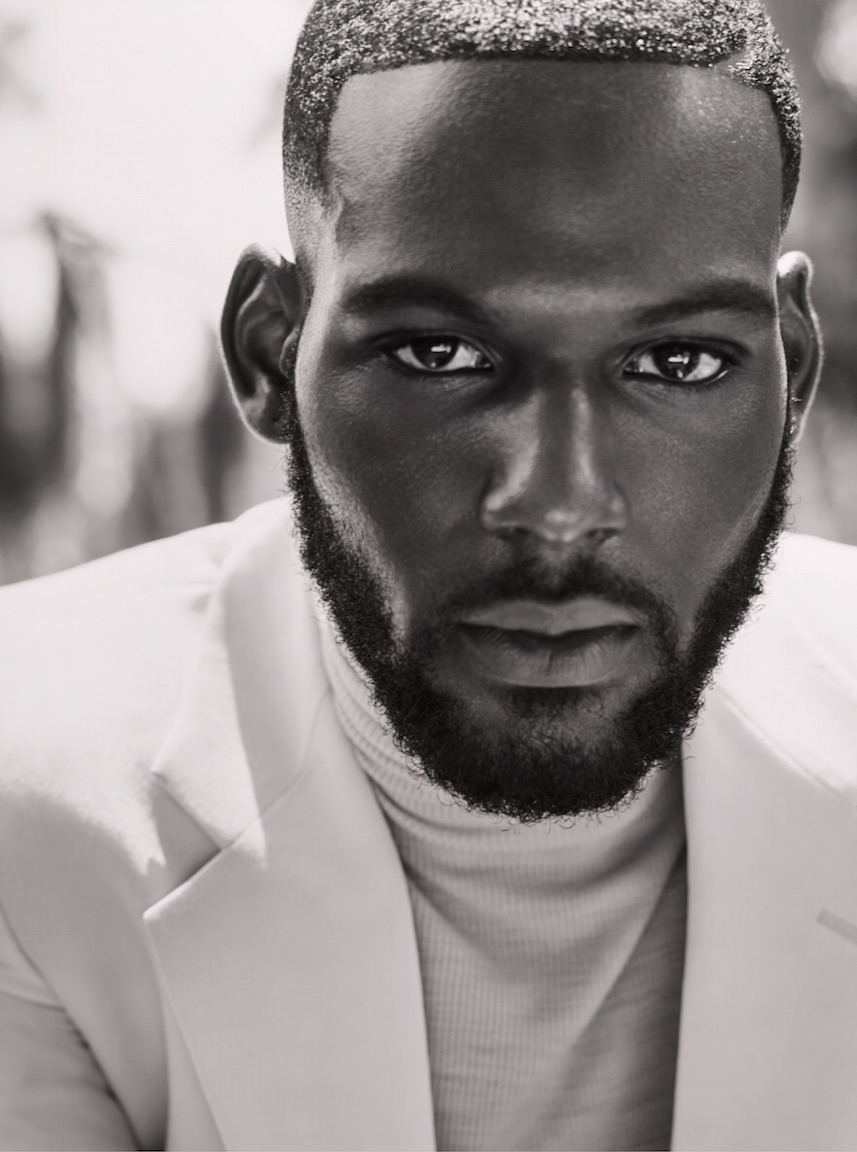
Interview: Kofi Siriboe Has Arrived

IMG_6899.jpg

The first time I can recall seeing Kofi Siriboe’s face was when he starred as the menacing Flaco in Justin Tipping’s debut film, "Kicks.” In a narrative about inner city masculinity and the feelings of isolation and loneliness that often plague us during adolescence, Siriboe's Flaco radiated pain and rage. Amongst an entire cast of fresh-faced newcomers, he had clearly announced himself. Just a few months later, his face would be everywhere. Last summer, I was sent preview screeners for Ava DuVernay’s then highly-anticipated “Queen Sugar.” With a stoic gaze encapsulating grief and determination, Siriboe embodied author Natalie Baszile's, Ralph Angel Bordelon. He was transformed into a young father desperate to carve out a future for himself and his young son Blue, amidst the shackles that have choked formerly incarcerated Black men into submission. From the moment OWN began promoting the critically-acclaimed series with images of Siriboe dressed in all- white, seated next to Rutina Wesley and Dawn-Lyen Gardner who play his sisters, Nova and Charley respectively, it was clear that Siriboe had arrived in Hollywood. It’s been a whirlwind year, to say the least.

The second season of “Queen Sugar” is currently filming in New Orleans, Louisiana, but in the midst of a hectic shooting schedule, Kofi Siriboe and I took some time out to chat. For those of us looking from the outside in, it may appear that Siriboe was catapulted into the spotlight out of nowhere, but that's just not the case. The 23-year old chuckled when I referred to him as Oprah’s darling. He told me, “It didn't happen all at once. I didn't meet Oprah and Ava all at once. I met Ava first. A phone call came from Ava, and I got the job. Then I met Oprah at the table read, and we had an instant connection. But she's Oprah; I feel like she has that with everybody."

Still, it’s obvious that Ava DuVernay and Oprah Winfrey saw something magnetic in Siriboe. His Ralph Angel is an even more robust and fleshed out character than the one you’ll find in Baszile’s novel. With the Black Lives Matter Movement and our eroding judicial system in the background, Ralph Angel is trying to manage different facets of himself, while raising a little Black boy in the present-day South. When analyzing his character's struggles Siriboe said, “Ralph Angel in being formerly incarcerated, and him being from New Orleans, him being a father; those are things that don’t actually pertain to me in real life. But wants to be his best self and is dealing with the duality of who he wants to be, and who he feels he has to be, through the eyes of the world and his choices, and through lack of identity. I feel like that's a universal challenge for any human being."

For Siriboe the "Queen Sugar" family has become much more than a workplace, and he speaks warmly of his appreciation for Ms. DuVernay and Ms. Winfrey who have nurtured his talent and taken him under their wings while treating him as a peer and respecting his artistry. “Queen Sugar" is set to return for its sophomore season towards to end of next month and there is bound to be a ton of change within the Bordelon family.

Continue reading at Shadow and Act.

tags: Girls Trip, Interview, Kicks, Kofi Siriboe, Queen Sugar, shadow and act
categories: Film/TV
Monday 05.01.17
Posted by Aramide Tinubu
 

Tribeca Review: 'Whitney. "Can I Be Me'''

tff17_whitney_1-h_2017.jpg

Fame is a fickle friend, especially when you are trying to reconcile your public persona with the person you are inside. Nick Broomfield’s somber and devastating documentary on the late-great Whitney Houston follows the pop icon's meteoric rise and the fame, attention, money and addictions that eventually cost her everything. “Whitney. ‘Can I Be Me’” opens with the fateful 911 call from the Beverly Hilton to the LAPD in 2012. Houston had perished in her hotel bathtub after falling asleep with opioids and cocaine in her system. Flashing back in time, “Can I Be Me” takes us back to 1999, behind the scenes of Houston’s last successful world tour. With tons of never before seen footage shot by German filmmaker Rudi Dolezal, we watch the then-36-year-old star, move through European cities night after night. She plays and reenacts scenes from "What's Love Got To Do With It?" with her rambunctious and often lewd husband Bobby Brown, teases her staff, stuffs herself with pizza and chicken wings and hangs with her dear friend Robyn Crawford. And yet, in the quiet moments when she’s getting her makeup touched up or having her hair curled, Whitney Houston looks exhausted.

A sliding timeline that moves all the way back to Houston’s childhood in Newark and East Orange, New Jersey, we can see how much the image of “The Whitney Houston” was molded and handled by her parents, Clive Davis, Arista Records and the industry as a whole. Though she was a church girl, often under the thumb of her mother Cissy Houston, the “I Will Always Love You” singer was no stranger to the edgier side of life. In the film, her brothers, Gary and Michael emphasize that she often partied with them and did drugs recreationally as a teenager. However, the overwhelming spectacle of her life especially after the premiere of “The Bodyguard: and her high-profile marriage to industry bad boy Bobby Brown aided in her dependency on narcotics. Apparently, she overdosed on cocaine while filming “Waiting to Exhale” in 1995.

Continue reading at Shadow and Act.

tags: Tribeca Film Festival, Whitney Can I Be Me, whitney houston
categories: Film/TV
Saturday 04.29.17
Posted by Aramide Tinubu
 

An S&A Sit-Down with the Men of ‘True Conviction’

TFF17_True_Conviction_2.jpg

Christopher Scott, Johnnie Lindsey, and Steven Phillips gave years of their lives to the state of Texas and the penitentiary. After decades of incarceration, the three men were exonerated and thrust back into the world that had turned its back on them. And yet, the years lost have not deterred these men from reaching out to help others. In Jamie Meltzer’s documentary “True Conviction,” we watch as these three men seek justice for other wrongfully convicted people, reading thousands of letters, visiting prisons, and speaking with prosecutors and detectives who have intricate knowledge of these cases. While Melzer’s lens hones in on our eroded judicial system, he also makes sure to shine a light on the men themselves who despite losing so much, have come so far.

During the Tribeca Film Festival, I got the opportunity to sit down with director Meltzer and wrongful conviction detectives, Christopher Scott, Johnnie Lindsey and Steven Phillips to chat about the film, their personal stories, and what they hope for the future.

Aramide Tinubu: Jamie, how were you introduced to Chris, Steven and Johnnie, and what made you decide to pursue this project? 

Jamie Meltzer: I have a friend who is a journalist in Texas, and there were more than thirty exonerees at that time, it was 2012. He told me about these guys in Dallas who had a support group, and I thought that was fascinating. He also told me this idea that a couple of them had to start an investigation team to look into cases of wrongful convictions. I just thought that was such a dramatic and inspirational idea. I knew that it would be fraught with challenges, and I just thought it would make a great documentary. So, I went down to Dallas and sat in one of the support group meetings. Within five minutes, I was in tears. It was a lot to take in. But, the thing that convinced me that there was a film there was the experiences and feelings that they shared, and you immediately saw strength in them; a resilience that was just really surprising. I would think I would be destroyed by this kind of experience, but they’re not. They do not want what happened to them to happen to someone else, and they are just so driven by that.

AT: When Jamie approached you all about this project, what made you decide that you wanted to do it as a collective group? 

Christopher Scott: We’re trying to bring as much awareness as possible to wrongful conviction, and this was a way to do it and to do it. We knew we could go interview people, but Jamie wanted to capture the personal aspects. He didn’t want it to be all about prison. When I saw that he wanted to explore all avenues of the way we were wrongfully convicted, that’s when I was like this is a no-brainer, this is what the world needs to see.

AT: As a filmmaker what was the most daunting aspect of this project for you Jamie?

JM: There were so many difficult aspects of making this film. In production, it was how to follow all of the different threads and all of the different cases. We feature two in the film, but we filmed maybe five or six. We didn’t know if one would result in an exoneration or something dramatic would happen. Then the other thing was I knew that we would have to tell the stories of the detectives, and how to balance that. That was more of an editorial challenge of structuring and editing the film. So the biggest challenge was just getting my head around how to tell this story.

AT: You really give the audience the full spectrum of these men’s full humanity. How did you decide what aspects of their personal lives you would put in the film?

JM: The most difficult and emotional journey as a filmmaker is really gaining the trust of your subjects. They don’t know what the film is going to look like. I know that I’m going to do their stories justice and be respectful, but how would they know that? In this case, it really took years. It took maybe three years of working with them. I spent a lot of time with them to build up that trust, where they felt like they could really let me in. They are very positive and resilient, and they want to affect change, but they are haunted by their experiences, how could they not be? They present themselves as very confident, and they are but there are understandable cracks, and I have to explore that. How could you trust anyone after this, even your family? It turns everyone away from you in a really scary way. I’m really grateful that they did let me in, and it really paid off because they are getting a lot of love now taking around and that’s really beautiful to see.

AT: How do you all find the strength to return to these prisons and look at all these cases that are embedded within a system that failed you?

Steven Phillips: Every time I talk to one of these guys or talk to their families or read their letters, it always strikes me that I was there.

Continue reading at Shadow and Act.

categories: Film/TV
Friday 04.28.17
Posted by Aramide Tinubu
 

'Greenleaf' S2/E7 Recap: Everyone Is Unhinged

Greenleafs2.jpeg

It's been exactly one year since Faith Greenleaf took her own life and Grace returned to Memphis, her family, and Calvary. Yet, there has been no real healing during this time. All of the suffering and secrets that led to Faith’s tragic end have finally exploded, sweeping everyone in the Greenleaf family away in a tsunami of grief and pain. As the day of Faith’s memorial approaches, Grace is having nightmares about her Uncle Mac. She’s no longer able to keep her composure, and it irks her to no end that her parents aren’t taking action against him. However, everyone grieves differently. Lady Mae and Bishop are at their wit's end as well, not just with trying to process the loss of their youngest daughter but also with Grace who can’t seem to let it go. Like oil and water, Grace and her mother clash, with Lady Mae revealing her terrible secret about her relationship with her abusive father. Too clouded by her own anger, Grace doesn’t pick up on it, but Bishop does.

Meanwhile, Mac has resurfaced. With the time to take any action against him regarding his case running out, he’s attempting to restart his life by bribing Memphis’ Deputy Mayor for a job. He's also trying to weasel his way back into the Greenleaf’s lives. He even has a new boo, Loraine who instead of trusting her gut about Mac, seems too thrilled to have a man. She really needs to get a clue.

With Faith’s memorial closing in on her and her opportunity to get Mac back in jail slipping through her fingers, Grace finally receives her last lifeline from the detective she reached out to earlier this season. If you recall last season while living in his old building, Mac befriended a troubled young girl named, Michaela Reese. In their report, the police noted that Mac seemed to have some sort of relationship with the girl, but they never followed up. Grace does their job for them. Though Michaela is adamant that Mac never laid a hand on her, we know their relationship was still not appropriate. Michaela reaches out to Ma to let him know about Grace’s visit. Expecting the same listening ear that she has grown accustomed to, its obvious that Mac’s brush off hurts her feelings. Michaela might just blow this whole case against Mac wide open.

tags: Greenleaf, Recap
categories: Film/TV
Thursday 04.27.17
Posted by Aramide Tinubu
 

Trailer + Review: Powerful Documentary 'For Ahkeem'

ForAhkeem.jpg

In the ninth episode of the second season of Underground, we find ourselves in a sliding timeline of sorts. The episode opens with Elizabeth and Cato who now both dwell in Georgia’s boarding house. Cato and the rest of Patty Cannon’s Black men have infiltrated the safe house on her orders, and Cato spends his time memorizing trap doors, and passageways in the home. What he didn’t expect was to happen upon Harriet Tubman herself. Constantly alert and vigilant, Harriet can sense something just isn’t right with Cato, and she warns Georgia to keep a close eye on him.

Returning to Patty Cannon’s home late in the evening, Cato reports back to her about his findings. Though he only knows Harriet by the name Minty, he tries to tell Patty that he thinks he’s found the most notorious runaway of all time. Impatient and enraged, Patty doesn’t believe Cato. Instead, she tells him that he has three days to make his move. Cato chooses to buy more time and get closer to the women in the house by faking a suicide attempt and cutting his wrists.

Meanwhile, Elizabeth’s fear and anger has begun to morph into an untamable rage. It’s further ignited when one of the men who kidnapped her and tied her to a tree walks right into the boarding house, masquerading about getting a room. In response, Elizabeth slaps the hell out of him. Later while tending to Cato’s wounds, the two lament about fear, anger, and pain and Cato encourages Elizabeth to become the monster that she fears the most.

Taking Cato’s advice, Elizabeth sets her kidnapper’s home ablaze, not accounting for his son’s presence. Though she saves the boy and Cato saves her (we think), her actions have made her too dangerous in Georgia’s eyes. She tells Georgia, "We are all complicit as long as there is slavery in this country.” Sadden for her friend but having no other choice especially after seeing a badly hurt and burnt little boy, Georgia tells Elizabeth she must leave the boarding house.

Further South, Harriet has met Rosalee, Noah, and James in Virginia. Sadly, Cora did not make it to freedom; slave catchers murdered her on the way. With many miles still ahead of them on their journey, Noah is struggling with both his faith and the secrets that Rosalee has kept from him. Though she seems apprehensive about Rosalee’s man at first, Harriet levels with him. She asks him how he as a humble enslaved blacksmith knew he could lead the Macon 7 and make it 600 treacherous miles to freedom. That’s faith she says.

And yet, a reassurance in faith will not heal the wounds in Noah and Rosalee’s relationship. Once they make it back to Ohio and Georgia’s safe house, Noah goes in on Rosalee for her selfishness and secrets. He tells her, you had me following you back South blindly without a choice and you put my child in harm's way. You treated me like a slave. He’s not lying.

Finally, at long last, we get to see how Daniel’s story is interwoven with the rest of the characters on Underground. The newly blinded stonecutter can sense that his time on the plantation is up. Using his young daughter as his eyes, we learn that his master is selling off the families of those who were involved with reading and writing. Though his wife wants him to be more docile and complacent out of fear, Daniel is done with all that. Freedom is calling his name; it’s his only way to salvation. Hired out to work one day, he makes it 300 plus miles from St. Louis, Missouri to Ripley, Ohio where he happens across a cobbler’s shop and asks for John Brown.

Continue reading at Shadow and Act.

tags: chocolategirlreviews, For Ahkeem, shadow and act, Tribeca Film Festival
categories: Film/TV
Thursday 04.27.17
Posted by Aramide Tinubu
 

An 'American Gods' Chat w/ Ricky Whittle, Yetide Badaki, Orlando Jones

1f79d12b-e868-4652-9a43-a91ffa6d9538.jpg

After many years in limbo, Starz is bringing Neil Gaiman's critically acclaimed novel "American Gods" to life. The gorgeously shot epic, follows Shadow Moon (Ricky Whittle), a man who is released from prison early after his wife Laura dies in a car accident. On his way home, Shadow encounters an eclectic man named Mr. Wednesday (Ian McShane), who offers him a job as his bodyguard. As Shadow is pulled into Mr. Wednesday's world, we soon learn that he is not, in fact, the con-artist that he is masquerading himself to be. Instead, Mr. Wednesday is the god, Odin, who is making his way across America to try and unite the old Gods who have integrated themselves into American life in a war against the new Gods, Media and Technology who are consuming the world.

As Shadow and Mr. Wednesday move across the country battling for the very soul of America, "American Gods" gives us the immigration stories of various mythical beings in America. Ahead of the series premiere, I had the opportunity to sit down with Ricky Whittle who stars as Shadow Moon, Yetide Badaki who stars as the love goddess Bilquis and Orlando Jones who brings Mr. Nancy aka Anansi to life.

Aramide Tinubu: Ricky, what did you know about Neil Gaiman’s novel prior to signing on to the series?

Ricky Whittle: I didn’t know about “American Gods” until fans started hashtagging me online. That’s why I’ll always have an affinity and a love for my fans because I wouldn’t be here if it weren't for them. I feel very grateful that they introduced this project to my life and allowed to me to audition in the first place.

AT: What was the audition process like for you?

RW: Starz put out a search #CastingShadow. They wanted the fans to have input because it’s a huge book and Neil Gaiman is a rock star. After sixteen years of anticipation, the fans put me forward and feel very blessed and honored to be a part of that. That’s when I took it to my reps. I started reading the book during the audition process, and Bryan and Michael stopped me because it was affecting my auditions. I spoke to Neil about it recently actually. He told me they saw twelve-hundred tapes.

AT: Stop it! Just for Shadow Moon?! That’s incredible.

RW: So to whittle it down, wow that is a terrible pun. I apologize that is awful! (Laughing) But, to whittle it down to the last person that is an incredible honor. They stopped me from reading the book early on in the audition process because I was too much like Shadow in the book; quiet, blasé and too laid back. They needed to adapt him to screen. We wanted the character to be more vocal and charismatic and to have a little bit more about him; to ask more questions and to have anxiety and fears. After we finished filming, I was able to go back and read through it. That’s when I really appreciated the script for what it was because I could see the magic that Bryan and Michael had done with the script and in changing the timeline. It blew my mind. Fans of the book who know it inside and out are still going to watch with fresh eyes because everything they love in the book is in the show, but so much more.

Continue reading at Shadow and Act.

tags: American Gods, Orlando Jones, Ricky Whittle, shadow and act, Starz, Yetide Badaki
categories: Film/TV
Thursday 04.27.17
Posted by Aramide Tinubu
 

'Underground' Recap: Things Come Full Circle In 'Auld Acquaintance'

underground_208_3.png

Christmas time should be the season of giving, but on Underground, we know there is no such thing. After being caught teaching other slaves to read and write Daniel is back to work, but this time without his eyes to guide him. As a punishment for his perceived crimes, he’s been blinded. As one of the skilled carpenters on his plantation, I was actually astounded that this was done to him. It moves well beyond the realm of cruel and horrific, but then again so is the institution of slavery. During the antebellum period, a slave was worth the equivalent of what a car is worth today, which means that labor would be extremely costly to lose. Knowing this, I’m unable to reconcile why Daniel’s master would choose to blind him when his sight is such an integral part of his work.

Further North, Cato is plotting and planning. After stealing Mr. Donahue’s unfinished biography of Patty Cannon, and giving it to the infamous slave catcher, the two discover that Donahue doesn’t have too many kind things to say about the diabolical red head. He seems specifically perturbed that she has not been able to catch Harriet Tubman. Patty’s blood lust for Harriet is Cato’s way in. He provides her with some information that she did not have previously, the song of freedom. “Heaven’s Door” is actually the opening credits for the series; however, it's not a song from the period (John Legend produces it). Still, songs similar to it are what guided the enslaved on their way to freedom. With the song, Cato is able to find his way into Georgia’s safe house. Unless he’s back in touch with his humanity, things are probably going to get really bad for everyone.

The history books tell us that Patty Cannon was actually a real person. It is said that she lived in a house that straddled the border between Delaware and Maryland, and she made her money by selling free Black people into slavery. This is what she put Cato up to in last week’s episode. However, the real life Patty Cannon would have already been dead during Underground’s timeline. After being arrested for four counts of murder in 1829, the infamous slave catcher hung herself in prison.

In Ohio, white abolitionists have turned their back on Georgia after discovering her Black ancestry. It's amazing how Underground draws parallels to “well-meaning” whites and liberals in the present day. However, Elizabeth is fed up with their treatment. Under Harriet’s guidance, she helps the Sewing Circle devise a plan to steal money from a pro-slavery church on Christmas Day to keep the boarding house up and running. After doing a little sin to help the cause, Elizabeth decides she won’t be stopping there. Determined to do whatever it takes, she blackmails her white comrades into donating to the cause.

Down South on the Macon Plantation, James is preening like a peacock in the Big House. Mistress Suzanna has pitted him against T.R.; a devious plan that I’m certain will play out in years to come. Though he obviously feels guilty about exposing Rosalee, he wants no parts of her escape plan. After all, despite the horrors that surround him, his life is pretty good. He even tells Rosalee that she messed everything up when she ran. Rosalee might be branded and back in her old housedress for the moment, but she and Noah aren’t the same people they were when they first left Macon. They won't be sticking around this time.

Somewhere between South Carolina and the rest of the world, August and another one of Patty’s men have Ernestine tied up in a boat. Though she tries to escape their grasp several times, she and August bond over the memories of their sons. During her last attempt to escape through a thick fog, August kills the other man and he and Stein head back down South. But why though? None of this makes sense, and I still don’t trust August. Perhaps this is his chance to escape Patty Cannon as well.

Continue reading at ESSENCE.com.

tags: ESSENCE, Recap, Underground
categories: Film/TV
Thursday 04.27.17
Posted by Aramide Tinubu
 

Review: J.D. Dillard Makes Magic With 'Sleight'

Sleight-Movie-2.jpg

We idolize the larger-than-life figures from the Marvel and DC Cinematic Universes. As our world continues to crumble around us, we rush in droves to see these superheroes on the big screen, perhaps to escape the current predicaments of our own lives or maybe even with the naïve hope that someone will eventually come forward to save us all. These studio spectacles, no matter how epic or robust, remain on a level of fantasy that we could never hope to attain in real life. But, what if you have to be your own superhero? What if it was solely up to you to create your own magic and save yourself? In J.D. Dillard’s directorial debut “Sleight,” we meet Bo (Jacob Latimore), a twenty-something Angelino left to care for his younger sister Tina (“A Wrinkle In Time’s” Storm Reid) after their mother’s death. Forced to walk away from his engineering scholarship, Bo makes ends meet by delighting crowds with his captivating and astonishing magic tricks during the day, and by selling drugs at night for the charismatic but sinister drug kingpin Angelo (Dulé Hill in a career shifting role).

Drug running as we all know is a very dangerous game. Bo's world turns on its head when Angelo decides to promote him into the position of protégée. Hill shines here as the ruthless and emotionally even Angelo whose diabolical and violent nature comes thrashing out when you least expect it. As his responsibilities begin closing in on him, Bo realizes that there is only so much magic that he can create before he stops being able to slip away unscathed. Latimore's enthralling performance recalls Tristian "Mack" Wilds' Michael Lee in HBO's "The Wire."

Shot on an indie budget in just over two weeks while Dillard was still working a full-time job, “Sleight” is certainly a standout in a rather overcrowded genre. Still, it doesn’t come together completely seamlessly. Bo’s love interest Holly, played by the refreshing Seychelle Gabriel doesn’t quite get the fully fleshed out back-story that she deserved. Instead, she’s regulated to Bo’s helpmate making her an all too convenient stand-in mother figure from Tina. Likewise, Bo's neighbor and voice of reason, Georgi, “Saturday Night Live’s” Sasheer Zamata isn’t given nearly the amount of screen time that she deserves.

Continue reading at Shadow and Act.

tags: J-D- Dillard, Jacob Latimore, Sleight
categories: Film/TV
Thursday 04.27.17
Posted by Aramide Tinubu
 

'Underground' Recap: Plans Are Shattered In "28"

UND207_ROSALEE-AND-NOAH.jpg

As the old saying goes, the best-laid plans often go awry. In the seventh episode of season two of Underground, plans are shattered spectacularly. One of the horrors of slavery was the fact that those in bondage could never feel as if they were standing on even ground. There was too much at stake and too many uncontrollable outliers that could tear everything apart at the blink of an eye. Every single character featured in this episode of Underground got the rug pulled out from under them.

As we’ve done for the majority of this season, Underground opens with Bookem Woodbine’s Daniel. Hidden away in the night, he’s teaching a small number of slaves to read. Unfortunately, his secret gets out, and before they even have a chance to act, enraged overseers on horseback surround Daniel and his comrades. From the looks of it, Daniel’s daughter might have been the only escapee. Though the laws varied by state and year, it was forbidden for slaves to read and write. It was also illegal to teach slaves to read or write. For both white and Black people, the punishment if caught could range from public whippings to death.

In “28” we watch Cato revert to his former self. Under the treacherous Patty Cannon’s direction, he’s tasked with capturing sixty free Black people and sending them into slavery. That’s thirty men for his freedom, and thirty men for the freedom of his girlfriend Devi (Rana Roy). When she learns of his plot, Devi is disgusted. She tells Cato that he’s only returned to the States to justify the horrible things he’s done and is going to do. In retaliation, he has her sold away with only 28 people left between himself and his freedom. Like he did when he was a driver on the Macon Plantation, Cato turns his back on his people to look out for his own interest, no matter how despicable his actions may be. Slavery was a horrendous institution, and while he shouldn’t be excused, Cato has learned to turn off his emotions to survive the inhumane and shameful state of his life.

Rosalee and Noah return to the Macon Plantation to discover nothing is as it was before. Ms. Ernestine has been sold away, the drunken overseer that tried to attack Rosalee is still alive, and James has been taken under Mistress Macon’s wing and brainwashed. Though Noah tries to get Rosalee to see reason, after their initial plan proves useless, her emotions, desperation, and determination get the best of her. When she goes to get James from the Big House, he raises the alarm, and she’s captured and branded for her crimes. In the midst of this, Noah discovers that she’s carrying his child.

Continue reading at ESSENCE.com.

tags: Recap, Underground, WGN America
categories: Film/TV
Thursday 04.20.17
Posted by Aramide Tinubu
 

The S&A 'Dear White People' Interview

dear-white-people-review-interview-justin-simien-logan-browning-brandon-bell.jpg

The highly anticipated film-turned-series, "Dear White People" has finally hit Netflix today, April 28. The series, which follows Sam White (Logan Browning) and the other Black students at the fictional Ivy League Winchester University, picks up where the film left off. This time around all of the students will be getting their chance to eviscerate racism and speak their truths, through this wonderfully written satirical piece. Ahead of the series premiere, I sat down with writer and director Justin Simien who wrote the film and all 10-episodes of the first season, Logan Browning who stars as Sam White (a role that Tessa Thompson originated in the film), and Brandon P. Bell who will reprise his role from the film as Troy Fairbanks.

We discussed expanding the world of the film into a series, what inspired Simien to write the film in the first place, and how our current political climate will inform the show.

Aramide Tinubu: Hi guys! Justin Simien: Shadow and Act! Y’all were the first ones to put out the “Dear White People” concept trailer back in the day. So we are forever in debt!

AT: So dope! You guys are awesome. So going from the film to the television series, why was that important for you to do?

JS: There was just so much more to say about these people. And, one of the reasons why being a storyteller is so important to me is I really feel like we need to see ourselves in stories. One of the things that is challenging about being a person of color in this society is that it’s so hard to see ourselves. There are so many shades of us. Just because you have a show with a Black woman in it, that doesn’t necessarily mean that it speaks to you.

AT: Exactly!

JS: With the movie, every single one of those characters are characters that I have not seen in anything before. With the show, we get to go even deeper into those characters lives and introduce some new characters that I also haven’t seen in anything before. So, anybody who felt like, “Gosh, I didn’t really get enough of the gay experience, or I didn’t get enough of the male experience or I didn’t get enough of the female perspective.” Whatever you feel like you didn’t get enough of in the movie, we’re giving it to you in this series! (Laughing) Every episode is from a different character’s point of view. So, you get to go home with Coco (Antoinette Robertson), you don’t just see her through the eyes of other people, you see her through her own eyes as she looks at her reflection in the mirror. I just think that’s so important because we aren’t archetypes, we aren’t these sort of ideas of people, we’re people. We have hopes and dreams and contradictions and flaws. A television show gives you the canvas to go that deep.

AT: Logan, you are picking up where Tessa Thompson left off with Sam White, but you’ve really made her your own character. What was that process like for you; looking at what Tessa built and then spinning it for yourself?

Logan Browning: I learned to relate it to theater, which was really fun because I personally haven’t had the joy of being in many theater productions. So, there was this great piece of work, and I saw someone perform brilliantly, and I got to absorb that. (Laughing) It almost feels like cheating, you know? You have so many things to go off of, and I went back to the screenplay, and that was really fun. Just seeing the stage directions, or seeing things that changed and to see them come to life. Reading the lines for myself from the screenplay and saying, that was Tessa’s interpretation as Sam, how does Logan feel about it? So, that was my approach.

AT: Brandon, you’ve lived with your character, Troy for a little bit longer because you were also in the film. So what shocked you about Troy that you didn’t expect coming into the series. What did you learn about him that you didn’t know previously?

Brandon P. Bell: A lot of things actually. Troy’s main relationships are with his dad (Obba Babatundé), Coco, women, Lionel (DeRon Horton) and his role within the Black community and the community at large on campus because he’s in politics. He’s the head of C.O.R.E., the Coalition of Racial Equality, and at the end of the film he was running for President. So for me, it was going deeper and exploring the toll that that’s going to take on Troy. We all know that he likes to smoke weed and write jokes by his lonesome in the bathroom out of a toilet paper roll. That is a part of Troy’s identity that he doesn’t share with anyone. For me, it’s how does he manage all of that but also maintain some sense of sanity and himself? Who is Troy? Without spoiling anything, there is a lot of things that I think the audience will love and get to discover. As an actor, you want that. You want to build and be challenged. Where Troy ends up is great. I couldn’t have asked for a better arc.

AT: All of you went to predominantly white universities, I did as well, and it was …interesting. (Laughing) So Justin how did you come up with the concept for “Dear White People” while in school? Was it because you felt isolated, did you feel like you didn’t belong?

JS: For me, it actually grew out of a conversation that I was having with my best friends at the time about the fact that we were hanging out with other Black kids from the Black Student Union, but we didn’t necessarily like all of them. (Laughing) We were just sort of like; we’re hanging out with these people because they’re Black and for no other reason. So, this conversation that we were having amongst ourselves, it just struck me as so funny that I’d never seen it in a movie before. It was like a conundrum of being Black in America that was never dealt with. Every time you saw a Black movie or a Black television show, magically everyone in the show was Black. The cab drivers are Black, the people working at the coffee shop were Black. My favorite thing about “Boomerang” is that everybody in New York was Black! My experience has always been one of few. My mother who is Creole, is a very light-skinned woman, so people didn’t understand why were holding hands through the mall. Just that feeling of being the only one who understood who you were; and not seeing yourself reflected back in the culture. I just felt like that was something that a lot of us were and are going through, and it just felt like doing a college satire was the perfect way to articulate that feeling. It felt like new territory. It was a jumping off point to get into all of these other issues. But, it all started with the sense of feeling like, “Why is it that I feel like I have to play a version of myself for my Black friends and then another version of myself for my white friends, and a version of myself in class?” Is that unique to the Black experience? Is that a human condition thing? Those were the questions that were on my mind when I started writing the film, and I don’t know if they’ve ever left.

Continue reading at Shadow and Act.

tags: Brandon P- Bell, dear white people, Justin Simien, Logan Browning, netflix
categories: Film/TV
Thursday 04.20.17
Posted by Aramide Tinubu
 

Underground Recap: Harriet Tubman Stands At the Center Of ‘Minty’

UNDG_206-20161201-KS_0244_R2.jpg

As a guide, warrior and no-nonsense champion, Aisha Hinds’ Harriet Tubman has been a visceral force during this season of Underground. Teaching Rosalee how to move cargo undetected and working with Georgia and Elizabeth’s abolitionist sewing circle, “the most notorious runaway" has integrated herself among all aspects of the cause and in “Minty,” we finally get the full view of her life and backstory. In an unprecedented move on television, Underground chose to put the spotlight on one character to drive the entire episode, and Hinds’ performance was exhilarating and masterful to watch. In a 19th century “TED Talk” of sorts, the audience meets the woman behind the legend as she paints an intricate tapestry of her childhood and how she became General Tubman. Born Araminta Ross around 1820, Tubman discusses the sisters that were sold away from her, and the horrendous abuse that she suffered as a child after bring hired out by her master to different estates. Even as a young girl, though she was often sickly, Harriet had a rebellious streak. She was mischievous and would use small acts of defiance to assert herself despite the conditions of her bondage. For Harriet Tubman, Harriet Beacher Stowe’s 1852 novel, Uncle Tom’s Cabin didn’t even scratch the surface of the horrors of slavery.

For Harriet, it was not just about abolitionists knowing her story; it was about them contemplating and fully understanding the violence of the institution of slavery and bondage itself. Despite her spunk and acts of resistance, Tubman came to realize that there could be no triumphs under slavery. Bolstered by rumors of her own sale to another plantation, Harriet decided to run for her freedom. However, as we learn in “Minty,” her actual journey to freedom did not begin the very first time she tried to run with her brothers. Though she only got a mile away from her plantation that first time, it sparked an inferno in Harriet that could not be doused. After befriending a white abolitionist, Harriet embarked on the journey that would lead to her tenuous freedom.

Continue reading at ESSENCE.

tags: Chocolategirlrecaps, ESSENCE, Underground, WGN America
categories: Culture, Film/TV
Thursday 04.13.17
Posted by Aramide Tinubu
 

Jacob Asserts Himself & Grace Loses Her Way In 'Greenleaf's "Point Of No Return" (Season 2, Episode 5 Recap)

GreenleafS2e5.jpeg

“Point Of No Return” finds the two older Greenleaf children in polar opposite stages of their lives. Jacob, who has previously struggled to find his footing not just within his family, but also as a head Pastor at Triumph, has finally found his voice and he’s not about to be silenced any time soon. In contrast, Grace seems to have lost both her faith and her calling as she continues to feel paralyzed by her Uncle Mac’s freedom. Her daughter, Sophia’s newfound relationship with the Lord, doesn’t even revive her. Though Jacob is finally standing on his two feet, things aren’t exactly going well in his new home or at Triumph. He and Kerissa’s bungalow has some major electrical issues among other things, and Kerissa is fed up. While she attempts to get their home life in order, Jacob finds himself standing up to his parents and Triumph’s lead Pastor, Basie Skanks. He’s determined that this is a new chapter in his life, and he’s going to make the most of it. Jacob even tells Grace that he’s not going to sit back and pretend that her returning home, didn’t upend his entire life. Despite his enthusiasm and determination, it looks like Jacob’s plans are about to be thwarted in a very big way. Not only have the Greenleafs issued an injunction against Triumph 2.0, but Kerissa also discovers through Pastor Skanks’ wife Tasha, that everything might not be on the up and up when it comes to Triumph’s financials. (I wonder how they paid Kirk Franklin to perform.) Whatever they’ve gotten themselves into is probably going to be really bad. By the way, I’m finally starting to like Kerissa; it took long enough.

While Jacob is standing tall, Grace is wilting. As the episode opens, Sophia catches her mama sneaking in from being with Darius in the wee-hours of the morning, and later, a wedding that Grace is supposed to be officiating crumbles around her. Though the would-be bride is obviously a head case, Grace takes the demise of the relationship to heart, and her internal struggle with her faith seems to have her at an all-time low. Unlike before, there is no option for her to run, so at some point, she’s going to have to confront her feelings head on. I think prayer was a good first step.

Continue reading at Shadow and Act.

tags: Chocolategirlrecaps, Greenleaf, OWN, shadow and act
categories: Film/TV
Wednesday 04.12.17
Posted by Aramide Tinubu
 

Review: 'The Fate Of The Furious' Proves The Beloved Franchise Hasn't Quite Run Out Of Steam

812338.jpg

My hopes weren’t exactly high for the eighth installment of the “Fast and the Furious” franchise. However, despite a tawdry, lackluster opening sequence that could have been inserted in any action film featuring fast cars and scantily clad women, about twenty minutes into the film the majority of the cast and director F. Gary Gray found their footing and kept it moving through the duration of the film. As a result, “The Fate of the Furious” manages to run on more than just fumes. The explosive action film focuses on Vin Diesel’s Dominic Toretto who is enjoying his honeymoon with his new bride, Letty (Michelle Rodriguez), in picturesque in Havana, Cuba. However, things go left when the diabolical Cipher (Charlize Theron) shows up forcing our favorite outlaw to turn his back on his code and his family. Theron slays as the psychopathic icy blonde who is holding a major bombshell over Toretto’s head. She enlists him to do her bidding in capturing some nuclear warheads and the codes to set them off. Unfortunately, the ghastly choice to drape Theron in horrid limp blonde dreads was a distraction for the majority of the film, and if she wasn’t so chillingly believable, this costuming mishap could have easily propelled her into the realm of caricature.

Other highlights in the film are Academy Award winner Helen Mirren whose delicious cameo-like appearance will have you laughing out loud. Additionally are franchise late-comers Dwayne “The Rock” Johnson and Jason Statham, whose characters – Luke Hobbs and Deckard Shaw respectively – have some of the only backstories that run cohesively throughout the entire plot of the film. Also, their hilarious banter and iconic prison sequence are the gems that will keep audiences excited throughout. With the cumbersome overall narrative of the film, these two are the glue that holds it all together.

Speaking of a shaky narrative and the bloated cast, it’s past time for the franchise to start pairing things down. Tyrese Gibson’s Roman Pierce and Chris “Ludacris” Bridges’ Tej Parker are given absolutely nothing to do. The comic relief in “The Fate of the Furious” has been taken over by Johnson and Statham, so characters played by Gibson and Bridges have been reduced to corny exclamations, and what seemed like a paragraph worth of dialogue between them. The cast is quite robust without trying to make room for every single person that ever touched the franchise. Therefore, if Roman and Tej are going to continue on; I hope the screenwriters make them more than living, breathing relics of past films.

Continue reading at Shadow and Act.

tags: chocolategirlreviews, F- Gary Gray, Fast 8, The Fast and the Furious, The Fate of the Furious, The Rock, Vin Diesel
categories: Film/TV
Wednesday 04.12.17
Posted by Aramide Tinubu
 

'Greenleaf' Confronts Old Friends & Even Older Wounds In "Revival" (Season 2, Episode 2 Recap)

GreenleafS2Ep4.jpg

From her sadistic relationship with her father Henry to her torrid affair with a family friend, it appears that Lady Mae’s secrets run deep. Ahead of Calvary’s annual revival, Bishop James calls on his friend, Bishop Lionel Jeffrey (Tim Reid), to attend and preach in front of the congregation. Nothing seems amiss until we witness the look between Bishop Jeffrey and Lady Mae as soon as he crosses the threshold of the Greenleaf mansion. It was a mixture of both hatred and lust, and I knew then that whatever happened between the two of them, which was so passionate that they actually considered running off together, isn’t buried as deep in the past as they might like it to be. I also don’t entirely trust Bishop Jeffrey. While he seems to be keeping up appearances, the presence of his son, Aaron, definitely caused me to raise my eyebrows. Bishop James and Lady Mae are still desperate to squash Pastor Skanks and Jacob from erecting Triumph 2.0. It just seems all too convenient (even for TV) that Bishop Jeffery’s son Aaron has the solution to their problem. With one call from his father, Aaron comes to town to file an injunction on the construction of Triumph 2.0 with the hopes that Jacob and Skanks will give up on building the new church. Still, Aaron’s presence alone wasn’t the only thing that raised the alarm for me. The fact that Bishop James is so willing to let Aaron move into Jacob’s old quarters made we wonder if he didn’t have some inkling of Lady Mae’s affair with Bishop Jeffrey. There is something much more sinister happening here. I don’t know if Bishop Jeffrey has just sent his son to spy on Lady Mae or if Aaron knows about their affair or what, but things jut aren’t adding up.

Charity and Kevin’s relationship was also at the center of “Revival,” but it looks like there will be no resurrecting their marriage. With a sexy new bob and her music producer giving her the eye, Charity is ready to pull the plug on her relationship, and I can’t say that I blame her. Her look of horror when Kevin tried to come on to her made me laugh and cringe at the same time. Though they have decided that their marriage over, the duo has chosen to keep it under wraps for now. Hopefully, that means Kevin will refrain from taking that toxic poison he was given by his support group to combat “impure thoughts.” Overall, I’m not too worried about these two, they are still really good friends, so perhaps their split won’t be volatile. Hopefully, this will be an opportunity for Kevin to finally be true to himself.

Bishop and Lady Mae aren’t the only one’s getting in touch with old friends. One of Grace’s girlhood friends Rebecca, a fellow Pastor has come to visit for the revival. She and Grace reminisce over old times and Rebecca bonds with Sophia, who seems to be in search of something of her own in the wake of  Zora’s absence. Seeing Rebecca also brings forth old memories for GG. Back in the day, Grace, Faith, Rebecca, and Charity had a singing group called Mystic, and seeing her sister on those old tapes reinvigorates Grace’s desire to do something about the fact that Uncle Mac is just out here in these streets.

Continue reading at Shadow and Act.

tags: Chocolategirlrecaps, Greenleaf, OWN, shadow and act
categories: Film/TV
Wednesday 04.05.17
Posted by Aramide Tinubu
 
Newer / Older

Powered by Aramide Tinubu