

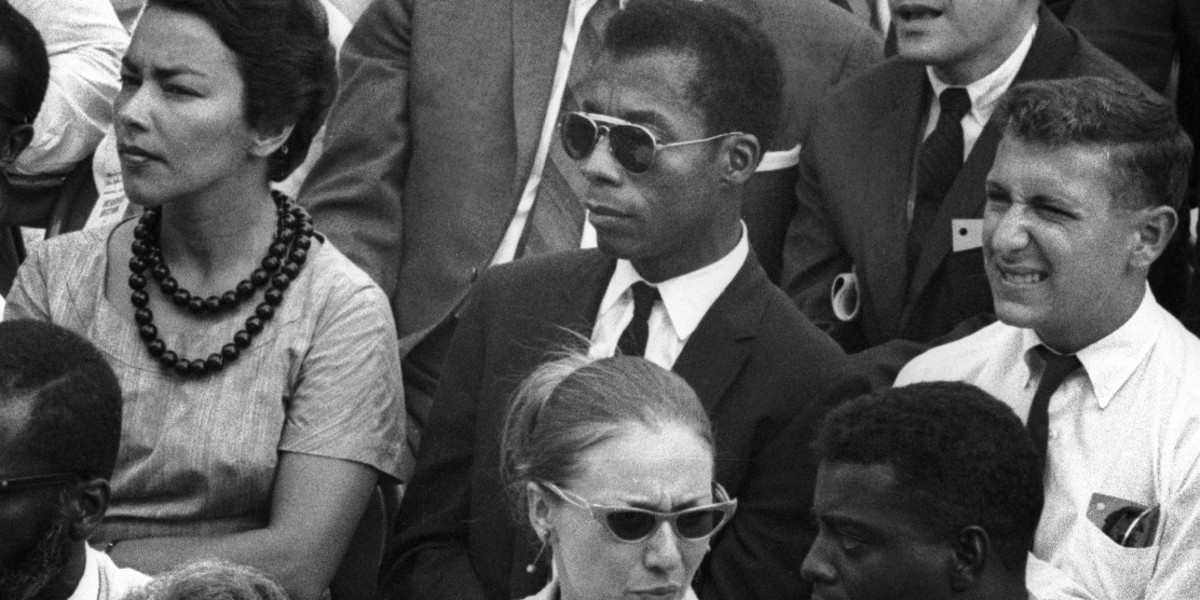
 We exist in a world of cycles. Perhaps nowhere else in society are these cycles as prevalent as they are in the entertainment industry. When I grew up in the ‘90s, there were a plethora of black faces on the big and small screens. From Will Smith’s “Fresh Prince” to “Living Single” (aka the original “Sex and the City”), I could turn to any network television station to see myself, or the people closest to me, represented in some way on screen.
Though diverse programming was rich and plentiful in that first decade of my life, the second decade ushered in a near complete erasure of brown faces. While megastars like Will Smith and Denzel Washington were able to garner leads in films, other black actors were relegated to sidekick positions or “magical negro” roles. This new age of entertainment extended to the small screen as well. As shows like “Moesha” and “Girlfriends” aired their final episodes, black actors were pushed into the background, appearing only as guest stars or rarely seen at all. In the past few years, the regulation of black bodies to particular spaces has shifted once again. It appears that we have returned to a moment where black lives are more interesting than ever; and from the perspective of an insider looking out, this “sudden shift” comes as no surprise at all.
Continue reading at Indiewire.com
 Growing up, prison seemed like an abstract concept to me, one reserved for “Law & Order” episodes and select family members who would be absent every other Christmas or Thanksgiving holiday. It wasn’t until I arrived in college in a class on Black Urban Studies, that I was educated about the mass incarceration that occurs in this country. I watched the 1998 documentary “The Farm: Angola, USA,” and read Michelle Alexander’s “The New Jim Crow: Mass Incarceration in the Age of Colorblindness.” It was through these two mediums that the system of dehumanization and oppression was revealed to me. I distinctly remember feeling horrified that the prisoners of Angola were required to pick cotton as a part of their daily tasks. Slavery was, after all, long ago abolished. However, I soon learned and continued to learn that nothing ever really goes away; it’s merely reinvented into a more easily digestible package ripe for public consumption.