• Work
  • Contact
  • Instagram
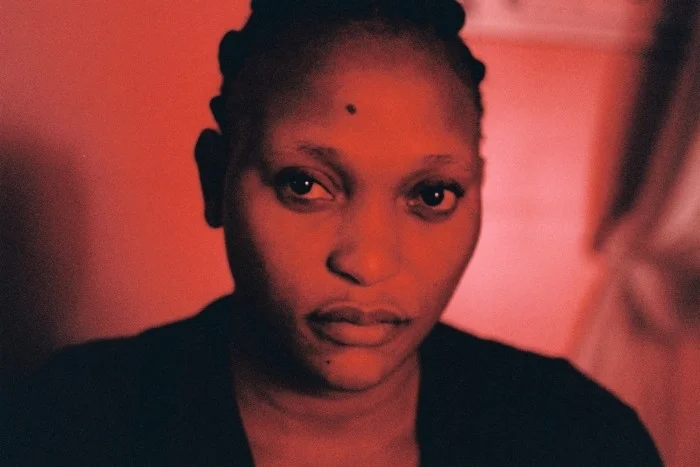
A Word With Aramide
  • Work
  • Contact
  • Instagram

'Marshall' is more of a thriller than a biopic (Review)

MV5BYjYyMThjNTctYWE0NC00MDUxLWI0ODktZjFkYzVhY2UwZjA5XkEyXkFqcGdeQXVyNDg2MjUxNjM@._V1_SY1000_CR0015001000_AL_.jpg

Superheroes. It's a word that's thrown around lightly these days. We eagerly flock to movie theaters and our television screens to watch metahumans with extraordinary strength and abilities conquer the world. In everyday life and certainly throughout history, there have been real-life figures who've defeated evil and transformed the world. They have been pillars of change who've forced mankind to move forward — whether we were ready for it or not. The late Supreme Court Justice Thurgood Marshall was one of those leaders. When we receive our primary education, we (hopefully) learn about Justice Marshall and his contribution to the Civil Rights Movement — namely that he was the force behind Brown v. Board of Education, which desegregated public schools in the United States. However, Brown v. Board is nestled in the middle of an illustrious career, one that spanned nearly seven decades and helped reshape the world as we know it.

Reginald Hudlin's latest film Marshall follows the lawyer at 30-years-old just as his career was beginning to gain some traction. In 1941, Marshall was the sole lawyer for the NAACP. The United States was on the verge of entering World War II when Marshall was sent to Connecticut to defend Joseph Spell (portrayed by Emmy- winner Sterling K. Brown), a black chauffeur who was accused of raping his white employer (portrayed by Kate Hudson).

Though oddly cast, Chadwick Boseman slides on Marshall's fedora perfectly — capturing his cadence and arresting intellect as soon as the film starts rolling. Though the brown skinned Black Panther actor looks nothing like the 6-foot tan skinned Baltimore native, you believe him from the very minute he opens his mouth, from the way he enraptures the courtroom to his everyday encounters when confronting bigots and racists on the screen.

Despite his massive success and reputation, 1941 still presents its hardships and barriers for Marshall. Upon arriving in Connecticut from Harlem, he is forced to enlist the help of a young Jewish insurance lawyer named Sam Friedman (played by a very convincing Josh Gad) who would be content to simply just exist in the background of the WASP washed suburb where he lives and practices. The fantastic banter between Gad and Boseman is what kept the film elevated when it might otherwise flounder into ordinary.

Continue reading at Shadow and Act.

tags: Chadwick Boseman, chocolategirlreviews, Marshall, shadow and act
categories: Film/TV
Thursday 10.12.17
Posted by Aramide Tinubu
 

Reginald Hudlin & the 'Marshall' cast talk the Supreme Court justice's legacy & why the past is repeating itself

marshall1-2.jpg

“You don't have Obama without Thurgood Marshall," Marshall director Reginald Hudlin explained to me as we discussed why he was inspired to bring the late Supreme Court Justice’s massive life to the big screen. In the midst of a turbulent fall where the world seems to be spinning out of control each day — Marshall is about to jolt us all awake again. Over the course of his lifetime, Thurgood Marshall worked diligently to bring Civil Rights to all Americans. These days it's more and more evident that this country has done very little to honor his legacy. Still, Thurgood Marshall’s story was one that Hudlin has always wanted to tell. “Thurgood Marshall has always been a giant hero of mine. I almost named my son Thurgood ... I thought that was a little bit too much," he said laughing. For Hudlin, it was Marshall who laid the groundwork for equality under the judicial system. “The Constitution was a tremendous promise of what America could be, but flawed from the beginning because of racism and slavery,” Hudlin articulated. “And the man who did the most to make it a reality is Thurgood Marshall."

Set just as the United States was poised to enter the Second World War, Marshall hones in on a facet of racism not often seen on the big screen. We have grown accustomed to full-fledged bigots, with their white robes and torches in Southern set films—Marshall explores something else entirely. “I liked that it was set in Connecticut because Northern racism kind of gets a pass,” Hudlin revealed. “Everybody is used to the Southern redneck sheriff chewing tobacco, we've seen that. We're all comfortable with condemning those people. ‘Oh, we're better than them.' But when you see Northern racism — which is much more genteel on its face, but it's the same institutional racism that looks more like what exists today. I thought, okay this will be more resonant to the audience because you can't simply write it off as ‘back then.'” The visceral parallels aligning the past to the present are what make the film so eerie to watch. “45 people ... That look like the same,” Hudlin expressed. “The ones that are there today and the ones that were depicted in the movie.”

As a young Civil Rights lawyer — the sole lawyer working for the NAACP in 1941, Marshall crossed the country taking on case after case with the hopes that he could save the lives of his brethren who had been condemned solely because of their race.

Continue reading at Shadow and Act.

tags: Chadwick Boseman, Marshall, Reginald Hudlin, Sterking K- Brown, Thurgood Marshall
categories: Film/TV
Tuesday 10.10.17
Posted by Aramide Tinubu
 

'Félicité': Alain Gomis’ fourth feature is largely captivating (NYFF Review)

201711638_1_IMG_FIX_700x700.jpg

Some films are fully fleshed out narratives, with plot points and climaxes that viewers can quickly point to. These movies follow a certain path – there is a particular moment or resolution that the protagonist must reach so that their story can come to its conclusion. Other films simply embody emotion. These narratives are full-length works that capture exuberance, joy or even endless bouts of despair. Franco-Senegalese director Alain Gomis’ fourth feature, Félicité is one such film. As the movie opens, we meet Félicité (portrayed by singer-turned-actress Véro Tshanda Beya), a single mother and vocalist at a popular nightclub in her hometown of Kinshasa – the Democratic Republic of the Congo’s capital. Her attitude like the arresting timbre of her voice is fierce. A force to be reckoned with and independent to a fault – Félicité lives her life her on own terms without the confines of marriage or the bounds of a relationship. She’s free and joyous until that’s all snatched away. When her 14-year-old son Samo (Gaetan Claudia) is severely injured in a motorbike accident – Félicité’s life caves in around her. Samo’s operation costs an enormous sum -- one million Congolese francs ($600 USD), and for the first time in her life – Félicité is forced to ask for help.

Overcome with fear and desperate to raise funds to save her son’s life— Félicité’s once open and lively personality becomes sullen and closed off. Her day-to-day existence, contending with a perpetually busted fridge, warding off the harassment of men and even singing become unbearable. Through Félicité’s eyes, Gomis highlights the burdens women must shoulder and the repercussions that they face when they live life on their own terms. In a society that values women only in relation to men, Félicité’s unwillingness to tie herself to a man and the freedom that she so relishes costs her basic human compassion. Gomis eloquently highlights both the sexism and poverty in the Congo. At times it is so powerful that searing looks and crisp shots are enough to carry film – there’s little dialogue in Félicité -- but it’s not missed.

While others– including her bandmates at the club are hesitant to help Félicité save her son– it is her unlikely companion Tabu (Papi Mpaki) – a womanizer and the club’s notorious drunk who might be her saving grace. And yet, Tabu is no savior. Gomis makes it clear that he enters Félicité life because she allows him to do so -- he does not barge his way in. The duo’s unlikely companionship is certainly one of much amusement and contemplation. However, their bond does not carry the film. It is the exhaustion and pain that leaves Félicité’ in constant turmoil that keeps viewers glued to the screen. Her panic and grief are palpable.

Continue reading at Shadow and Act.

tags: Alain Gomis, chocolategirlreviews, Félicité, NYFF
categories: Film/TV
Tuesday 10.10.17
Posted by Aramide Tinubu
 

Cinema on the verge: Jamaica's film industry today

IMG_8125-e1505830639115.jpg

Film is alive in Jamaica. The lush Caribbean island is known for birthing reggae and its gorgeous mountains and beaches, but it’s also home to a burgeoning film industry with young filmmakers, screenwriters, and actors at the helm. Earlier this month, I traveled to the island to observe and be immersed in ScreenCraft'sinaugural retreat at Jakes Treasure Beach in Jamaica– but my education went well beyond the intricacies of screenwriting. Instead, I was awakened to an industry on the verge of breaking through. Jamaica’s Film Commissioner, Renee Robinson returned to her homeland to begin building Jamaica’s film industry into one that could compete on a global level. It had been her dream job since she was 19-years-old. “I’ve been building other people's film industries for so long, and I wanted to be able to contribute to the development of my own film industry,” she told me as we sat overlooking the saltwater pool at Jakes. Building up an infrastructure for film on an island that’s home to less than three million people isn’t something you can simply wish into thin air. Robinson has faced various roadblocks --especially in a country that leans on tourism as its main industry. And yet, she’s determined to bridge the business of cinema with the ambition of the filmmakers and artists on the island. “I would say there are three streams of things that I have encountered that I think are ripe for change," she articulated. “First, is content. Being a part of underworld is a real thing, but it's not the only life.” In Jamaica, films depicting gangsters and street life are abundant, but other stories need a platform as well.

Robinson has sought to shift the narrative and has solidified a partnership between her office, Jamaica Promotions Corporation (JAMPRO)and The Jamaica Film and Television Association (JAFTA). Together they have created the Propella program. “Propella is a talent discovery and script-to-screen program,” Robinson clarified. Along with Jamaica’s national fund CHASE (culture, health, arts, sports, and education), Propella identifies five filmmakers each year they want to support. Each filmmaker gets a mentor -- an international script development expert who helps them take their project from treatment to final script. Then, the filmmakers go through a production boot camp and receive about $5,000 USD to produce their short films. Their education doesn’t stop there. Once their film is complete – the filmmakers go through another boot camp, this time focusing on festivals and distribution strategies before their films premiere at the Trinidad and Tobago Film Festival and another international market of JAMPRO’s choosing. Jamaican filmmakers have a plethora of stories to tell – Propella is simply guiding them on the path to bring their narratives to life.

Continue reading at Shadow and Act.

tags: Gabrielle Blackwood, Jamaica, Renee Robinson, shadow and act
categories: Film/TV
Thursday 10.05.17
Posted by Aramide Tinubu
 

'The Mountain Between Us' has beauty, but lacks substance (Review)

the_mountain_between_us_review_idris_elba_kate_winslet.jpg

Adventure and wilderness films are tough to get right. These movies must have excellent scripts and superb actors to keep the audience engaged with the characters and keyed in with the narrative. This is especially difficult when a film lacks the typical bells and whistles like endless plot points and bustling backgrounds. Director Hany Abu-Assad’s latest venture, The Mountain Between Us — an adaptation of the romance novel by Charles Martin, only has one of the two criteria. (To be fair, Martin’s book isn’t exactly heralded for its prose.) A stunningly shot film set against the snowy white mountains of the Rockies, we meet Alex (portrayed by Kate Winslet) a photographer, journalist and a risk taker. Her latest assignment has left her stranded in a Denver airport the day before her wedding. Idris Elba is Ben, a British neurosurgeon looking to get back to his patient — a 12-year old boy in desperate need of his help. Ben is calm and collected, but there is also a sensitivity there buried underneath his stoic nature.

As soon as Ben and Alex collide in the airport, the film goes off course. Instead of swearing to the universe and snatching up a hotel voucher like the rest of humanity, Alex and Ben decide to charter a tiny plane and make it on their way themselves. Obviously, their plan proves to be disastrous, and their plane comes crashing out of the sky. What's next is a two-hour too long odyssey of two very different people who don't very much like one another. However, they are forced to bond and trust each other if they have any hope of surviving.

We've seen Winslet and Elba shine in various film and TV projects before, but the script for The Mountain Between Us was so predictable and generic that it was nearly comical. Martin's book actually focuses on the difficulties of traditional love and marriage, but those tropes are nowhere to be found here. It didn't help that the veteran actors had nearly zero chemistry — even though they were pretty to look at.

Continue reading at Shadow and Act.

tags: chocolategirlreviews, Idris Elba, Kate Winslet, shadow and act, The Mountain Between Us
categories: Film/TV
Wednesday 10.04.17
Posted by Aramide Tinubu
 

'The Rape of Recy Taylor' unpacks the forgotten story of a woman who refused to be silenced (NYFF Review)

vpkirau2otpjylk0zju8.jpg

"I can’t help but tell the truth – what they done to me," 97-year-old Recy Taylor says as she sits in her nursing home in Abbeville, Alabama. Taylor is elegant — draped in pearls with her reading glasses perched on her nose. 73 years later, she can recall in vivid detail the night that changed her life forever. Filmmaker Nancy Buirski’s new documentary The Rape of Recy Taylor chronicles the horrendous assault that Taylor endured, which caused outrage across the country before it was swiftly erased from the history books. In 1944, while walking home from Rock Hill Holiness Church in Abbeville with two friends, Taylor was kidnapped at gunpoint by seven white boys and raped for several hours in the woods. Taylor was a 24-year-old sharecropper at the time — a young wife and mother whose life shattered as a result of the brutal assault and the aftermath of it. However, her determination to speak out sparked a new type of resistance. Rape is an unspeakable crime – it is as revolting as it is unfathomable and yet it remains so prevalent. The world has never been a safe place for women, but for women of color and Black women, in particular, it has been nightmarish. To tell Taylor's story, the documentary uses footage from “race films” like Oscar Micheaux’s Within Our Gates — home video, commentary from Yale scholar Crystal Feimster, Ph.D archival footage and interviews from Taylor’s siblings – her brother Robert Corbitt and sister, Alma Daniels. Buirski traces the night of the attack, the grand jury hearings that led to no indictments, as well as the NAACP’s involvement. It was Taylor’s willingness to speak out against what happened to her and so many other nameless, faceless women that propelled the Black Press and the nation to rally behind her.

The Rape of Recy Taylor is not an easy film to watch. Along with Taylor’s story – the film also moves through the history of Black women’s rapes by white men beginning with slavery. Utilizing research from scholar Danielle McGuire's 2011 book, At the Dark End of the Street: Black Women, Rape, and Resistance  — the film examines the lack of justice and protection around Black women and their bodies. Buirski also hones in on the perception of Black women as a whole – the men who raped Taylor felt entitled to do so, and after they were questioned, they tried to claim that she was a prostitute.

The film moves quickly. The eerie race film footage and music like Dinah Washington’s “This Bitter Earth” tie together giving the documentary a tone that is prevalent in horror films. The audience sees the botched investigation into the assault and learns from Taylor’s family how much it affected her father – a man who began sleeping in the tree above their home with a shotgun to protect his family once the assault became public information. The one gripe that I had with the film was that we hear from the rapists' families. To this day, they act as if the boys involved had simply gone joyriding in a stolen vehicle. Though they were probably given a voice out of a need to present a fair and balanced story, I was only enraged further.

Continue reading at Shadow and Act.

tags: Nancy Buirski, NYFF, Recy Taylor, The Rape of Recy Taylor
categories: Film/TV
Monday 10.02.17
Posted by Aramide Tinubu
 

Malcolm-Jamal Warner talks 'Ten Days in the Valley' & shedding that "nice guy" persona (EXCLUSIVE)

Webp.net-resizeimage-7.jpg

Malcolm-Jamal Warner has been acting for over three decades — he's also added music, directing and producing to his lengthy résumé. However, television has changed for The Cosby Show alum since he first made his mark on the world as Theo Huxtable. In many ways, it has been for the better. “There was a time where I wasn't watching much television because there really wasn't a lot of good television on," Warner told me recently as we chatted over the phone. “Whereas now, there's a lot of television I don't get to see because there's so much good television to catch up on.” The resurgence of phenomenal TV prompted Warner’s return to the small screen with roles in everything from USA's Suits to FX's American Crime Story: The People v. O.J. Simpson. However, his latest role in the new ABC drama series, Ten Days in the Valley, is going to present an entirely new side of the Emmy-nominated actor. Ten Days in the Valley follows Jane Sadler (Kyra Sedgwick) an overworked television producer whose world shatters when her daughter goes missing in the middle of the night. Warner co-stars as Matt Walker, the head writer on Jane’s show who might not be exactly who he appears to be. Warner was immediately intrigued by the project and his character when he first read the script. “Matt is very layered, “ he explained. “I'm used to being cast as a nice guy, and it's great to have an opportunity to play somebody who's not simply just a nice guy.”

Roles like this one challenge the Grammy-winner, so taking on the crime series was thrilling for him. “If anything, how fun it is to play someone who has a value set that may be different from mine," the Malcolm & Eddie star expressed. “Because here's a guy who is very well-qualified to run his own show but feels like he's being stifled by Jane, and that creates a sense of resentment, a sense of desperation that I, Malcolm, don't really experience much in life. “

Continue reading at Shadow and Act.

tags: Malcolm Jamal Warner, Ten Days In the Valley, The Cosby Show
categories: Film/TV
Saturday 09.30.17
Posted by Aramide Tinubu
 

MoMA's Black Intimacy series explores black relationships on film this October

https_proxy.jpeg

Black intimacy is still a rarity on screen. Though we're at a point where Black stories are more prevalent in both film and on television than ever before -- Black relationships in the cinematic realm are still scarce. There's a deep desire to see relationships both romantic and platonic between Black folks. During the sophomore season of Issa Rae's hit HBO series Insecure, there was a ton of uproar surrounding the depiction of condom use or lack thereof. That conversation didn't simply appear from thin air. Since there are so few stories about love, sex, relationships, and friendships depicting Black people -- fans were desperately searching for an all-encompassing view in one 30-minute sitcom. Throughout cinematic history, Black love and intimacy have not been erased entirely. There are some filmmakers who've understood the importance of showcasing these relationships from the beginning.

This October, New York City's Museum of Modern Art (MoMA) will celebrate some of the most dynamic stories of Black love. Black Intimacy will look at cinematic portrayals of black familial, romantic, queer, and platonic relationships, and how filmmakers reconcile the personal and the political in their particular films. From the 1964 stunner, Nothing But A Man starring Ivan Dixon and Abbey Lincoln to the Emmy-award winning Master of None episode "Thanksgiving," written by and starring Lena Waithe the series will examine Black love and consider whether it can be portrayed in cinema without being deemed political.

Continue reading at Shadow and Act.


tags: Black Intimacy, MoMA, Nothing But A Man
categories: Film/TV
Thursday 09.28.17
Posted by Aramide Tinubu
 

Deon Cole talks BET's new game show, 'Face Value' and how 'black-ish' changed his life (EXCLUSIVE)

092617-shows-face-value-deon-cole.jpg

It's really early in Los Angeles; I can hear it in comedian Deon Cole's voice as we chat on the phone, but he's still excited to speak. His new game show series, Face Value is set to premiere on BET in just a few days. On top of that, he's shooting ABC's black-ish, touring, filming the Steve Carrell-produced series, Angie Tribeca and gearing up for Grown-ish -- the black-ishspin-off that will debut on Freeform in 2018. That doesn't even cover his current Netflix projects, his stand-up special The Standups and Def Jam 25 are currently streaming. When I asked how he's juggling it all, Cole laughed. "Well I sleep in between interviews," he said jokingly. "I just have a lot to say and a lot to do. I appreciate the condition I'm in." His latest venture, Face Value which is executive produced by his black-ish co-star Wanda Sykes is a late-night game show that will challenge people’s prejudices. Based solely on appearances, contestants will access strangers and make snap judgments about them. When Sykes first approached him with the idea, Cole was immediately intrigued. "I've never seen a show like this," he explained. "Getting paid to be judgemental. It's also to show people are wrong as well as right. A lot of people were like 'I'm not going to be that way anymore.'"

Face Value has helped the Conan writer to challenge his own ideas about other people. Though he's hosting the series, he also finds himself questioning things along with the contestants -- and sometimes he's even shocked. "I think I'm a better judge of character than I am a comic because you have to deal with people," he said. "You have to know people. That's the only way that you can really write jokes well basically makes me brush up on my skills as far as just looking at people and trying to figure them out. I think that's what it did to me. It's not rocket science; it's a fun show."

Continue reading at Shadow and Act.

tags: BET, Blackish, Deon Cole, Face Value
categories: Film/TV
Tuesday 09.26.17
Posted by Aramide Tinubu
 

Jessica A. Caesar's web series 'MEME QUEENS' is what happens when ex-beauty queens take on the internet

MemeQueens.jpg

In the age of social media, there's an immense desire to glow up-- to become internet famous and build wealth through likes, DMs, and sponsorships. Unfortunately, when you really consider it, most of us are basic AF and without any real talent, connections or money, longlasting internet fame is simply a pipe dream. In her hilarious web series MEME QUEENS, actress and creator, Jessica A. Caesar explores the lives of two former beauty queens. Now in their late '20s, the ladies are desperate to ride on the curtails of reality stars and Instagram models. Too old for the pageant world, Nicole (Caesar) and her bestie Brynne (writer/actress Gilli Messer) sign up for a sketchy reality internet show. The show begins to pick up traction as the women's most absurd and ridiculous behavior gets turned into viral memes.

For $100 a day, Nicole and Brynne let some dude name Ron, film them in their home and at their job, an app startup called Petter where people join to engage in heavy petting. (Nothing past second base of course.)

Styled similarly to the NBC classics, The Office and Parks and Recreation, all seven episodes of MEME QUEENS were self-funded and shot over the course of just three days with a micro-budget. Caeser, whose acting credits include Atlanta, Vice Principals, Grey’s Anatomy and Grimm wrote all of the episodes with Messer.

Continue reading at Shadow and Act.
tags: Jessica- A- Cesear, Meme Queens
categories: Film/TV
Sunday 09.24.17
Posted by Aramide Tinubu
 

Award-winning short film 'Charcoal' tackles colorism on a generational level

DKk0Q2YX0AAFqjZ.jpg

As an adult, I haven't often thought of my dark brown skin in any particular way. I've praised its lack of blemishes and that fact that it has allowed me to bake in the unforgiving sun without a worry or care. There have been comments of admiration and disgust thrown my way here and there -- one from a small girl I was babysitting who told me she couldn't go outside for fear of getting any darker. There was another, the day before a friend's wedding from an older Black woman who told me to put foundation on my knees for the ceremony -- apparently; they were too dark for photographs. I am thankful now that the negative thoughts and insecurities that tormented me during my childhood no longer have a place in my life, and I also realize how very rare that is. With her award-short film, Charcoal, Haitian-American filmmaker and photographer, Francesca Andre presents the story of two Black women deeply wounded by the perils of colorism within the Black community. It's a film that shows how self-hatred is taught.

Continue reading at Shadow and Act.
tags: Charcoal, Francesca Andre, shadow and act
categories: Film/TV
Sunday 09.24.17
Posted by Aramide Tinubu
 

Interview: The cast & creators of 'The Deuce' on selling sex, the '70s and misogyny

the-deuce-cc.jpg

Sex is everywhere. From beverage commercials to lipstick ads, hardly anything in popular culture is sold without some semblance of eroticism embedded in it. Since the 1970's, depictions of sex and sexuality have only gotten raunchier, more explosive and often exploitative. It's a subject also now stands at the forefront of our society -- and yet the way in which we discuss sex and more importantly sex work is not exactly progressive. The Wire creators George Pelecanos and David Simon wanted to shift the conversation. The duo has returned to HBO with a spectacular new drama, The Deuce. The series focuses on the rise of the porn industry and its legalization in New York City's seedy Time's Square beginning in 1971. By honing in on the people on the streets -- the bartenders, mobsters, the sex workers and their pimps, The Deuce is both incredibly detailed and piercing. Once again, Simon and Pelecanos have worked diligently to flesh out characters who would typically be cast aside as one-dimensional fixtures in other series and films. On a late Thursday morning, at the HBO building which sits just two avenues over from the tourist trap that birthed the porn industry, I sat down with Pelecanos, Simon, James Franco who stars as identical twins Vincent-- a bartender and Frankie, a gambler and degenerate. Also present was Maggie Gyllenhaal who is exquisite as self-made prostitute Candy, Gary Carr who plays the volatile and charismatic pimp C.C. and The Wire alum Lawrence Gilliard, Jr who portrays kind-hearted cop, Chris Alston.

For Simon, this moment in our history was the perfect time to bring The Deuce to life. "You can't tell me that after 50 years of the increasingly ubiquitous nature of pornography in the culture hasn't made it more and more permissible for everybody from the President of the United States to the anonymous voice on Twitter to basically call women whores," he emphasized. "It's become our discourse, almost a default any woman tries to say anything publicly. There's something pornographic in our whole demeanor."

Continue reading at Shadow and Act.

tags: C-C- Carr, chocolategirlinterviews, David Simon, George Pelecanos, HBO, The Deuce
categories: Film/TV
Friday 09.08.17
Posted by Aramide Tinubu
 

Gbenga Akinnagbe talks HBO's 'The Deuce' — a series on the porn industry's rise in '70s NYC (S&A Fall TV Preview)

13918920170807093346.jpg

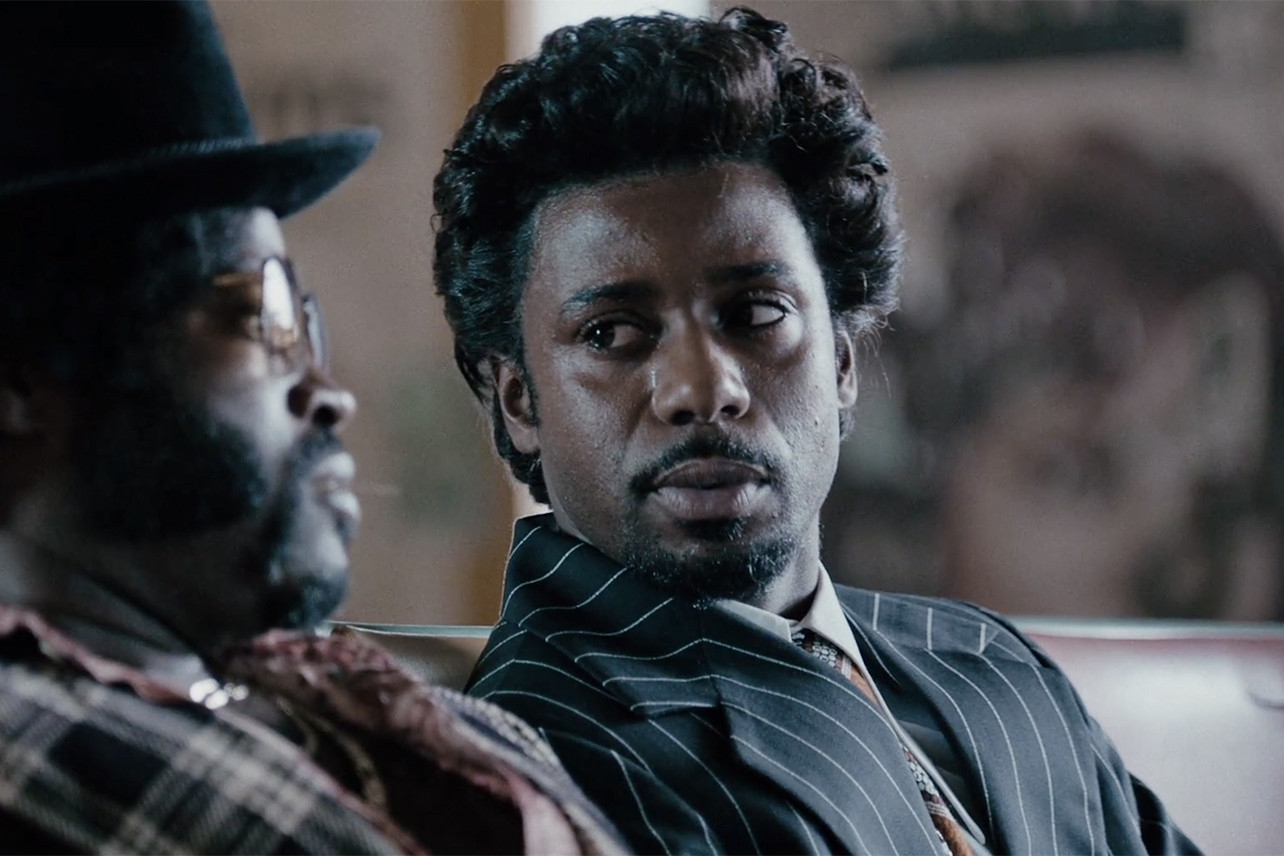
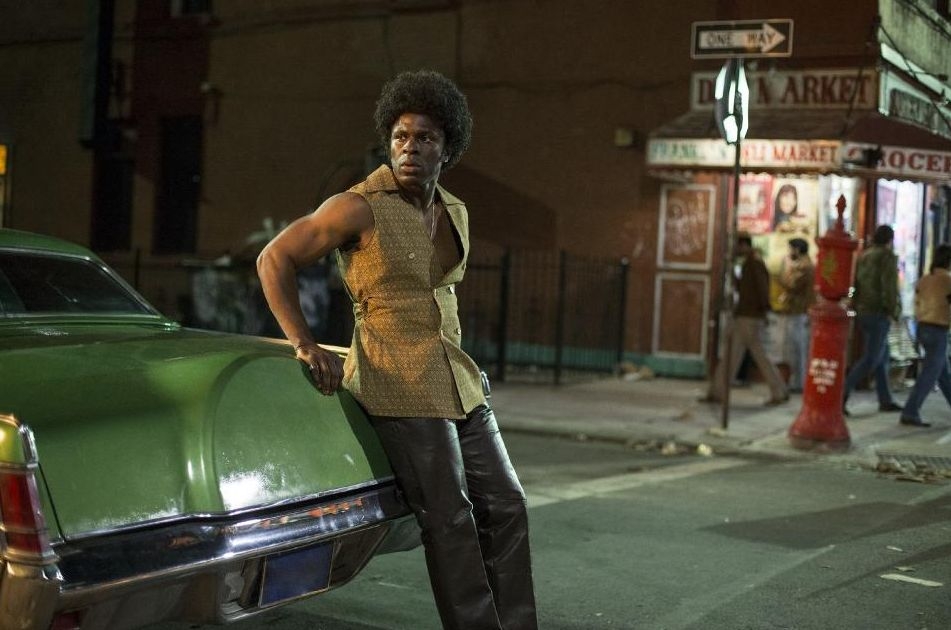
George Pelecanos and David Simon — the dynamic team behind HBO's The Wire and Treme have returned to television with a breathtaking drama. The Deuce is a '70s set series that follows the rise and legalization of pornography in New York City's Times Square, once termed 'The Deuce.'  As always, the creators present a meaty and fully fleshed out cast, encompassing everyone from sex workers, cops, pimps, journalists, mobsters and beyond to lend their perspective to this time. Starring James Franco as identical twin brothers Vincent and Frankie Martino; Maggie Gyllenhaal as a self-made prostitute Candy, Gary Carr as pimp C.C., and Gbenga Akinnagbe as the vicious pimp Larry Brown among many others, The Deuce is certainly a timely piece that comments on the misogynist- filled era that we live in today.

Ahead of the series premiere, Shadow and Act's Aramide Tinubu sat down to speak with Akinnagbe about The Deuce, returning to Pelecanos and Simon and what he discovered about himself from embodying Larry Brown.

Aramide Tinubu: What intrigued you about The Deuce overall, and why did decide that you wanted to work with David Simon, George Pelecanos and the team from The Wire again?

Gbenga Akinnagbe: That's my Wire Family. I love working with them. I grew up on TV working with them, so they've influenced how I tell stories, the stories I like to watch and be a part of. Aside from that, we all remained tight even off screen for years. Knowing the quality of the work that David and George do, I knew that this show would give an interesting perspective to people who are easily dismissed as one sided criminals on TV -- pimps, hooker, gangsters. And also, the time period, the '70s -- those clothes, come on.

AT: It's fantastic to look at. The series is really rich in texture as well. How did you come on board The Deuce to play Larry?

GA: I went in, and I read for that, and that's how that worked. I was fortunate enough to book the role. Initially, I read for a different character and then they brought me in for . It just kind of clicked. It made sense.

AT: Can you tell me a little more about Larry? What interested you about him specifically? He's a pimp in New York City in the '70s which is very different from your character Chris from, The Wire. However, both men have that same level-headed ferociousness that drives them.

GA: Larry is very different from Chris. Chris was very methodical, and he wasn't a drug dealer. He didn't really care about those things -- the fancy things. He was a sociopath but looked out for his boys and the people he cared about. Larry is in for the business of it. He's much more of a business man. He's got hopes and dreams and aspirations, and he's going to do what he needs to do; apply his skill set, which is pandering sex to get what he wants. Chris did what was necessary. Larry does what is flashy. There's a drive there obviously with Larry that's complicated, and it unfolds throughout the season.

Continue reading at Shadow and Act.

tags: chocolategirlinterviews, Gbenga Akinnagbe, HBO, shadow and act, The Deuce
categories: Film/TV
Thursday 09.07.17
Posted by Aramide Tinubu
 

'Power' Season 4 Finale recap “You Can’t Fix This”

31c50143-2191-483e-98ad-7ff7c49d7daf.jpg

At the police station, a bleary-eyed Tariq (Michael Rainey Jr.) gives his statement to a detective about his sister's death. The detective asks him to go over the moments before Raina’s (Donshea Hopkins) murder in detail over and over again. Finally, a devastated Tariq exclaims, "Don’t you think I would have told you if I knew something?!” When the camera pans out, we see a grief stricken Ghost (Omari Hardwick) and Tasha (Naturi Naughton) sitting beside their son. Deciding the St. Patricks have had enough for one day, the detective dismisses them to go home. As Tariq and Ghost exit the room, the detective gives Tasha Raina’s things. Tasha learns that her baby's body will not yet be released to the family. Somewhere in Queens, an oblivious Tommy (Joseph Sikora) is chatting with Teresi’s (William Sadler) goon friend. It looks like the old gangster has kept his word and introduced his son to the family. As the men continue their discussion, a trigger-ready Kanan (Curtis “50 Cent” Jackson) rolls up on them and pops his trunk. After assuring the men with him that Kanan's cool, Tommy peers into the trunk to see the bodies of the guys that tried to take Kanan out. Tommy immediately IDs the dead dudes as Cristobal's (Matt Cedeño) men. He assures Kanan that he doesn't have any beef with him (he knows Kanan saved Tariq's life) —but he does let Kanan know that Cristobal has been tight with Dre (Rotimi) recently. Newly embolden Kanan, takes off to get after Cristobal and his new BFF Dre. In the midst of their discussion, Tommy gets a 911 text from Ghost letting him know about Raina's death.

host, Tasha and Tariq pull into the parking garage of the St. Patrick's apartment building. There is dead silence in the car until Tasha asks her son to tell them what he knows about Raina’s death. In a rush, Riq tells his parents he doesn’t know anything before jumping out of the SUV and heading upstairs. Furious and heartbroken, Tasha and Ghost get into a heated conversation after his exit. Tasha tells Ghost that she knows Tariq’s lying— she can tell. Ghost isn’t convinced. He believes that the Jimenez (finally got the name right!) siblings are behind the hit. As though he's in a daze, he tells Tasha that he’s going to fix it. Enraged and in disbelief, Tasha screams, “You can’t fix this!” Tasha tells him that she carried their child and now their baby is gone. Ghost promises his wife that he will kill who ever did this. She warns him not to get caught or killed.

The fractured couple finally heads into the building and walk into a household full of people all ready to greet them and provide comfort. While Tasha tries to at least engage with everyone, Ghost heads straight to the master bedroom, removing his tux from the previous night. We watch him disrobe— shedding his James persona to embody the ruthless killer, Ghost. In the midst of his transformation, he balls up the program from the Man of the Year ceremony that he had just been so thrilled to be a part of. He also gets a text from Councilman Rashad Tate (Larenz Tate) offering his condolences and telling Ghost to meet him at a well-known church later in the day. (Sir??!! A raggedy text when this man has lost his child?!!) Ghost ignores it and readies himself for war.

Continue reading at Shadow and Act.

tags: Chocolategirlrecaps, Omari Harwick, Power, shadow and act, Starz
categories: Film/TV
Sunday 09.03.17
Posted by Aramide Tinubu
 

Interview: Malik Yoba talks psychological thriller ''Til Death Do Us Part' & his upcoming one-man show

malik-yoba-1.jpg

Malik Yoba is a pillar in the entertainment industry. From his breakout role on the '90s FOX TV cop drama New York Undercover to his most recent role on ABC's Designated Survivor, the Bronx native is no stranger to thought-provoking projects and provocative story lines. The three time NAACP Image Award winner's latest role in the upcoming psychological thriller 'Til Death Do Us Part is will tackle something else entirely — domestic violence and how men deal with their emotions. The film follows newlyweds Michael (Stephen Bishop)  and Madison Roland (Annie Ilonzeh) whose seemingly perfect marriage shatters when Michael's behavior turns volatile. Though Madison is able to escape— even adopting a new identity, Michael refuses to let her go.  In the film, Yoba stars as the couple's friend Rob who realizes something isn't quite right.

Ahead of the film's release, Shadow and Act's Aramide Tinubu sat down to chat with Yoba about his role, why he was moved to be a part of this film and his one man show which will debut at the legendary Apollo Theater in 2018.

Aramide Tinubu: You've worked on everything from Designated Survivor to Empire. What was it about 'Til Death Do Us Part that prompted you to get on board?

Malik Yoba: It's always nice when you see an email in your inbox that says "offer," then you read the email and go, "Oh, okay. Who's doing it, what's it about?" So, that's usually how it goes. I looked at the material, subject matter and saw that it was something I actually care about. I thought it was a good little script. It's not groundbreaking in terms of subject matter—I think we've seen similar stories like this, but the way that it's executed I thought was a little bit different. I also saw who was in it who was doing it.

AT: With the film coming out just ahead of Domestic Violence Awareness Month, why do you think it's so important for the Black community to see this particular type of film?

MY: I think any time you have any kind of social ill, not just domestic violence...as much as it's about the act, the obvious theme of domestic violence, it's also about how men deal with their emotions. It's not just like who gets brutalized; sometimes it's women that are abusing men, too. I think it's just an opportunity for us to look at ourselves. How do we treat each other? Why do we treat each other that way? My character in the film is the only one that really checks Stephen Bishop's character Michael on his behavior. That was important. It was important to be able to be that voice of reason. Michael asks Rob to find his wife when she runs away, and he's not just gonna be complicit in this behavior. I think it was a line we just added, where he says, "Look man, you really need to go get some help." As opposed to just agreeing to go find this woman.

Continue reading at Shadow and Act.

tags: chocolategirlinterviews, From Harlem to Hollywood, Malik Yoba, Till Death Do Us Part
categories: Film/TV
Monday 08.28.17
Posted by Aramide Tinubu
 

Exclusive First-Look: TV One's 'When Love Kills: The Falicia Blakely Story' domestic violence PSA

watch-when-love-kills-the-falicia-blakely-story.jpg

Ahead of the premiere of TV One’s new original film, When Love Kills: The Falicia Blakely Story the cast and crew are speaking out about the horrors of domestic violence. Based on a popular episode of TV One's  For My Man, When Love Kills depicts the true life tragedy of a teen mom in Atlanta who found herself the victim of mind manipulation and physical abuse at the hands of a man who was supposed to love her. Instead, he got her entangled in a life of stripping, prostitution, robbery and eventually, murder. “When I was 14, I dropped out of school – a lot of people don’t know that. By the age of 16, I was bartending in a strip club, by the age of 20 I was stripping…so I understand how Falicia got there,” says film director Tasha Smith. “By the grace of God, I ended up here, but she ended up in jail for the rest of her life.”

Before Falicia was convicted of murder, she was a young girl looking for love and validation in all the wrong places. In an effort to reinforce the film’s underlying message that real love doesn’t hurt, TV One, in partnership with the National Domestic Violence Hotline, will air a public service announcement during the film presentation.

Continue reading at Shadow and Act.

tags: TV One, When Love Kills: The Falicia Blakely Story
categories: Film/TV
Thursday 08.24.17
Posted by Aramide Tinubu
 

Exclusive: Watch the season finale of 'Keloid'

Keloid-Poster-Still-1024x576-1.jpg

In the season finale of The Black TV & Film Collective’s supernatural web-series, Keloid — Keloid (David Nixon) discovers a devastating secret that shocks him to his core. With a tracker on his tail and his past resurfacing to haunt him, Keloid must race against time before his mother Marielle (Aba Woodruff)  goes into hibernation. Desperate to uncover the mysteries of his lineage and the reasons behind his superhuman gifts, Marielle reveals something that will change Keloid's perspective forever. Watch the season finale of Keloid exclusively on Shadow and Act, before it goes live to the public on Thursday, Aug. 24. You can also peep our coverage of the series overall here.

Continue reading at Shadow and Act.

tags: Keloid, The Black TV & Film Collective, Web Series
categories: Film/TV
Wednesday 08.23.17
Posted by Aramide Tinubu
 

A definitive ranking of the Top 8 characters on 'Power' that we've despised

power-kanan-tariq1.jpg

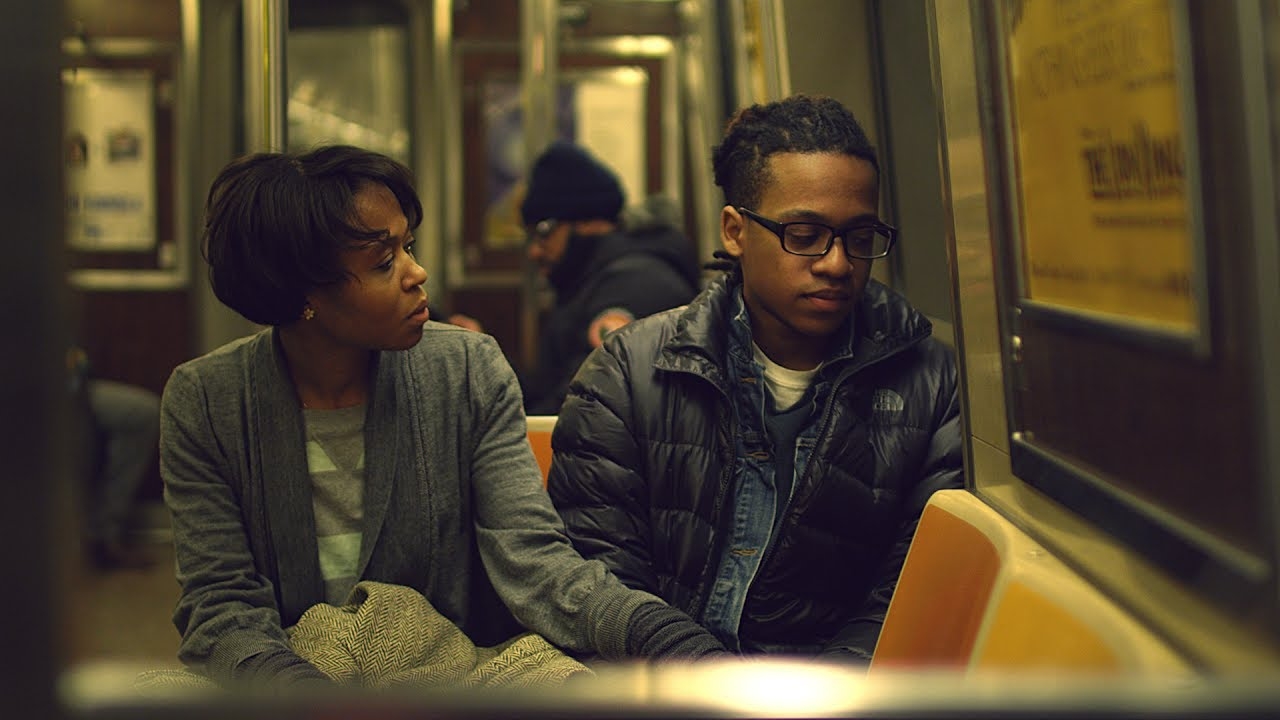
The fourth season of Starz’s Power comes to a close this Sunday, and everything that has happened up until this point will lead to what will surely be an explosive conclusion. With the death of his eldest daughter, Raina (Donshea Hopkins)  — Ghost (Omari Hardwick) will certainly be embarking on a vicious path for revenge, unlike anything we’ve seen thus far. This season much of our collective frustration has been geared toward Tariq (Michael Rainey Jr.) the St. Patrick’s insolent teenage son, whose anger and desire to play gangsta helped lead to his twin sister’s death. Power doesn't have any shortage of villains, and throughout the seasons there have been plenty of characters who’ve earned our disdain. Ahead of the season finale, peep the top 8 characters we've despised on Power. Continue reading at Shadow and Act.
tags: Chocolategirlwrites, Power, shadow and act, Starz
categories: Film/TV
Monday 08.21.17
Posted by Aramide Tinubu
 

'Power' Season 4, Episode 9 recap: “That Ain’t Me”

naturi-naughton-tasha-st-patrick.jpg

As the ninth episode of the fourth season of Power opens, Tariq (Michael Rainey Jr.) is attempting to be less terrible. He’s interviewing for a position at the boarding school in Connecticut Raina (Donshea Hopkins) told him about. (It’s the same school Angela attended.) Though the interviewer points out the decline in Riq's academics and behavior, the boy still aces the interview. Later, when Ghost (Omari Hardwick) drops the Riq off at school he proudly shows his son a news story that says his name has been cleared. Riq seems pleased, but he also asks if they should fear Kanan's (Curtis “50 Cent” Jackson) return. Ghost explains that Kanan will leave them alone because they are all witnesses to Juke Box's (Anika Noni Rose) murder. He also urges Riq to let go of his guilt. At Angela’s (Lela Loren) apartment, she and her sister Paz (Elizabeth Rodriguez) are getting ready for their day. Paz has been saying with her baby sister since the whole Mike (David Fumero) incident. She’s pissed that Angela used herself as bait, but she’s glad Mike is dead.

In a car somewhere in the city, Tommy (Joseph Sikora) and Teresi (William Sadler) are talking on the phone. Since Teresi was the one who took Mike out for Ghost and Tommy, he now wants a favor. He asks Tommy to come and see him in prison. Because Tommy is a felon, he’s going to need proof that they are family to get in to see him. Teresi assures Tommy that his mother Kate (Patricia Kalember) has all the proof he needs. He tells Tommy he’s not the kind of guy that would deny his own son. “That ain’t me,” he says.

At a warehouse somewhere, Tommy’s men are playing poker. They are all delighted that they’ve avoided a war with the Hermanas and they have turned in their coins to receive their new shipment of drugs which is set to arrive the next day. They all agree that as long as Tommy stays chill, they’re good. Unfortunately, stupid ass Dre (Rotimi) and Cristobal (Matt Cedeño) have other plans. They want the organization for themselves, and they’re going to have to do something drastic to get it from Tommy.

At the Feds, Angela meets with the new US Attorney for the Eastern District. New lady applauds Angela for her work on bringing Mike in. However, she explains that since they were not able to prosecute him they must win back the public's trust. The first step for the Feds is making an appearance at the Destroy Injustice Gala. This year, the Gala just happens to be honoring the newly exonerated James “Ghost” St. Patrick. New Attorney lady says that after the Gala, she doesn't want to ever hear St. Patrick’s name again. She also asks Angela her opinion about appointing the new Head of Criminal since Mike's death has left the job vacant. Her choices are either John Mak (Sung Kang) or Saxe (Shane Johnson). Angela thinks she deserves the promotion, but new lady basically laughs in her face.

Meanwhile, in Queens, Ghost and Councilman Rashad Tate (Larenz Tate) are walking the streets and getting interviewed by Olivia (the reporter that interviewed the St. Patricks and was real thirsty and in Ghost’s face a few episodes ago). This new ultra visibility is going to come back to haunt Ghost.

At the St. Patrick’s penthouse, Silver (Brandon Victor Dixon) and Tasha (Naturi Naughton) are still on and as bold as humanly possible. Silver is supposed to be dropping off some of the St. Patrick’s belongings that were seized by the FBI during Ghost's incarceration. Instead, in between smooches, Tasha tells him about her plans to expand the weave shop with Keisha (La La Anthony). She also tells Silver that she's going to divorce Ghost as soon as his real estate venture with Simon Stern (Victor Garber) gets off the ground. (Tasha, we love you girl, but sometimes you need to move in silence.)

At a gym somewhere, Riq is playing ball when Brains and Big Country finally run up him, The boy acts unbothered (personally I would've been afraid.) He assures the two that he’s not snitching because he would be guilty by association. He also asks them where his share of the money from the hit is. Riq’s balls must have dropped between this episode and the last one.

Later Ghost and Stern are meeting about their upcoming vote with the City Council. Stern is pissed that Ghost has made friends with Tate and he decides to take the reigns at the vote as a form of punishment. Ghost tells Stern that since he owns 51 percent of the venture, he wants a bigger role. Stern tells him nah. (When will this old white man learn Ghost ain’t the one?!)

Continue reading at Shadow and Act.

tags: Power, Recap, shadow and act, Starz
categories: Film/TV
Monday 08.21.17
Posted by Aramide Tinubu
 

You've never seen a black superhero story like 'Keloid' before

maxresdefault.jpg

Our teen years can sometimes feel stifling — we find ourselves confined in a box desperate to stretch out and explore adulthood while clinging to the safety of adolescence. Without any of the unexpected trials of life, it's a bewildering time and the unexpected can feel overwhelming. Coming-of-age stories are plentiful in Hollywood for this very reason. Audiences relish the opportunity to watch characters grow and change — to make those pivotal choices that could shape their lives forever. From Juice to Higher Learning and most recently, J.D. Dillard’s Sleight, Black males have often been the subjects of these particular stories. Now, The Black TV & Film Collective’s riveting web-series, Keloid has taken this particular narrative and revived it in a fresh and sensational way.

The web-series follows Keloid (David Nixon), a shy young man whose ability to control electricity along with his telepathy, teleportation and telekinesis gifts have left him lonely and desperate to connect with anyone other than his overbearing mother, Marielle (Aba Woodruff).

Continue reading at Shadow and Act.

tags: David Nixon, Huriyyah Muhammad, Keloid, shadow and act, The Black TV & Film Collective
categories: Film/TV
Wednesday 08.16.17
Posted by Aramide Tinubu
 
Newer / Older

Powered by Aramide Tinubu